Key Highlights
- Minor DIY linoleum repairs may cost less than $50 when the damage is small and the homeowner already has basic tools.
- Professional flooring repairs commonly cost a few hundred dollars, depending on labor, materials, accessibility, and the extent of the damage.
- Small cuts, isolated burns, shallow scratches, and limited stains may be suitable for patching.
- Large tears, repeated seam failures, extensive discoloration, widespread wear, and water-damaged subfloors may justify replacement.
- Matching an older linoleum pattern can be difficult, especially when the original product has been discontinued.
- The visible damage may not reveal problems underneath the flooring, including moisture, adhesive failure, mold, or a damaged subfloor.
- Professional help is usually recommended for large patches, seam repairs, sheet linoleum, moisture damage, and repairs in highly visible areas.
- Repairing a newer floor in otherwise good condition usually makes more financial sense than replacing it.
- Replacement may provide better long-term value when the floor is already near the end of its useful life.
- Homeowners should compare the total cost of the repair with the condition, age, appearance, and expected remaining life of the floor.
Understanding Linoleum Flooring and Common Types of Damage
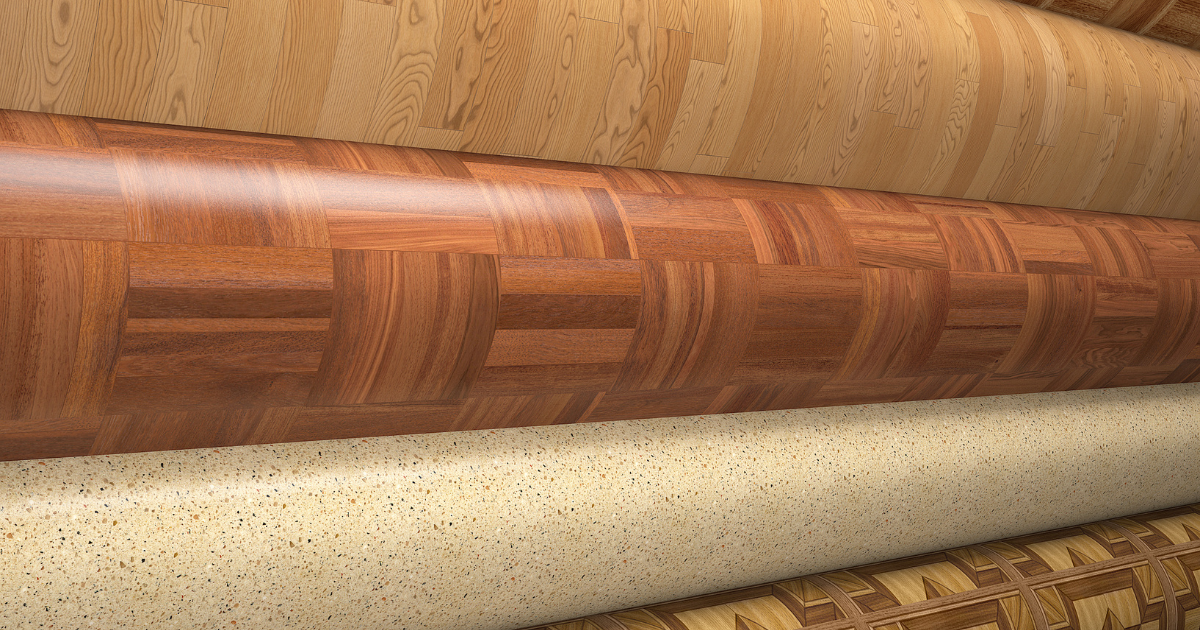
Before estimating repair costs, homeowners should confirm that the flooring is actually linoleum.
The term “linoleum” is frequently used to describe several types of resilient flooring, particularly sheet vinyl. Although linoleum and vinyl may look similar, they are made differently and may require different repair products, adhesives, installation methods, and maintenance procedures.
True linoleum is traditionally made from materials such as linseed oil, wood flour, cork dust, resins, mineral fillers, and pigments. Vinyl flooring is primarily a synthetic material. Linoleum is available in sheets, tiles, and some plank-style products, while vinyl is also sold in sheets, tiles, and luxury vinyl planks.
One important difference is how the design or color appears within the material. In many traditional linoleum products, the color extends deeper into the flooring instead of existing only as a thin printed image on top. This can make certain scratches less noticeable. However, deep gouges, burns, tears, moisture damage, and worn finishes may still require professional attention.
True linoleum can remain functional for decades when it is properly installed and maintained. Some flooring references estimate that linoleum may last approximately 20 to 40 years, although actual performance depends heavily on the product, installation quality, foot traffic, moisture exposure, cleaning routine, and maintenance.
Common types of damage include:
- Surface scratches and scuffs. These are usually caused by furniture legs, pet claws, shoes, dirt, or objects dragged across the floor. Many surface marks are cosmetic and may be improved through proper cleaning, polishing, or refinishing.
- Cuts and gouges. Sharp objects, dropped tools, moving appliances, or furniture can cut through the flooring. The depth and width of the cut determine whether it can be sealed, filled, or patched.
- Burn marks. Hot cookware, cigarettes, curling irons, space heaters, or other heat sources can discolor or melt the surface. Small burns may be patched, while larger burns can require replacement of a larger section.
- Loose or open seams. Seams can separate when adhesive fails, moisture reaches the edge, the floor experiences movement, or the original installation was not completed correctly. Open seams should be addressed promptly because water and debris can enter beneath the flooring.
- Bubbles and raised areas. Bubbles may develop when air or moisture becomes trapped underneath the flooring or when the adhesive loses its bond. A small bubble may be repairable, but several bubbles can indicate a larger installation or moisture problem.
- Curling edges or corners. Tile edges and sheet flooring near walls, doors, cabinets, or seams may begin lifting. This can happen because of moisture, insufficient adhesive, age, or repeated traffic.
- Stains and discoloration. Some stains remain on the surface, while others penetrate the finish or develop because of chemical reactions, sunlight, rubber-backed mats, moisture, or aging.
- Water damage. Linoleum is water-resistant when maintained properly, but it is not immune to damage from leaks, standing water, open seams, or moisture beneath the flooring. Once water reaches the backing, adhesive, underlayment, or subfloor, a simple cosmetic repair may no longer be enough.
The location of the damage also matters. A repair in a closet or under an appliance may not need to look perfect. A repair in the middle of a kitchen, hallway, or entryway requires more careful color and pattern matching.
See what your roofing project should cost:
When homeowners notice damage, the first question is often: How much will it cost to fix?
The answer depends on more than the size of the damaged area. The age of the floor, condition of the subfloor, availability of matching material, location of the damage, and type of linoleum installation can all affect the final repair cost. A small scratch may require only a simple touch-up, while hidden moisture underneath the floor could turn what appears to be a minor repair into a larger replacement project.
Understanding the difference between cosmetic damage and structural damage can help you avoid spending money on a temporary repair that does not solve the real problem. It can also prevent you from replacing an entire floor when a carefully completed patch would have worked.
Typical Linoleum Floor Repair Costs
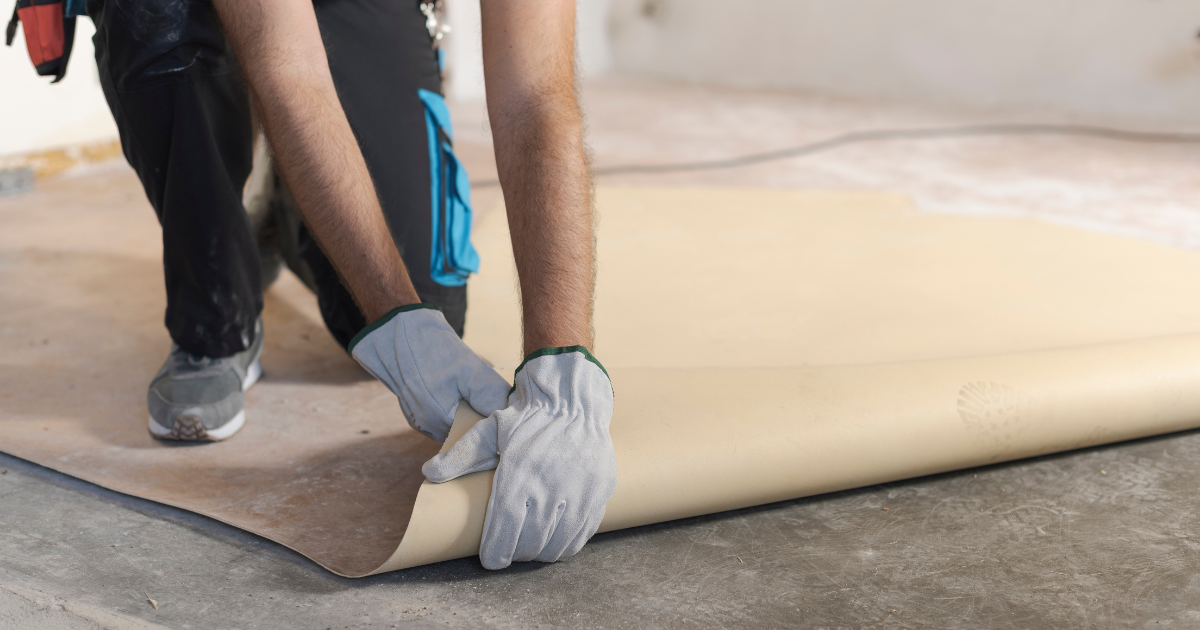
Most repair estimates are based on a combination of labor, materials, project size, minimum service fees, and the condition underneath the flooring.
Published national estimates for vinyl and linoleum flooring repairs often place a typical professional repair project at approximately $440 to $630, with an average near $500. General repair pricing may range from approximately $2 to $9 per square foot, while flooring labor may range from around $30 to $70 per hour. These are broad estimates rather than guaranteed prices, and smaller projects may still be subject to a contractor’s minimum service charge.
Because linoleum repair projects vary widely, homeowners may encounter costs such as:
- Minor DIY scratch or cut repair: approximately $10 to $50. This may include a manufacturer-approved repair product, seam sealer, adhesive, putty knife, utility blade, cleaning materials, or polish. The cost may be lower when the homeowner already owns the necessary tools.
- Small professional repair: approximately $100 to $300. A flooring professional may charge this amount for a small patch, loose corner, isolated seam issue, or minor damaged area. Minimum trip charges can make a very small repair cost more than expected.
- Moderate patch or seam repair: approximately $250 to $650. This may involve cutting out damaged material, preparing the surface underneath, finding a matching piece, applying adhesive, sealing the edges, and blending the repair with the existing floor.
- Larger repair with subfloor work: approximately $500 to $1,500 or more. Costs increase when the installer must remove a larger section, dry the area, replace underlayment, repair a soft spot, address adhesive failure, or reinstall flooring around cabinets, appliances, toilets, or built-in features.
- Extensive water or mold-related work: potentially $1,000 to several thousand dollars. The linoleum itself may be only one part of the project. Moisture testing, leak repair, damaged subfloor removal, mold remediation, trim replacement, and new flooring can significantly increase the total.
These figures should be used as planning ranges rather than fixed quotes. Labor rates and material prices vary by city, contractor availability, project complexity, and the type of flooring installed.
The size of the damaged area does not always determine the price.
A six-inch tear in the middle of patterned sheet linoleum may be harder to repair than several damaged tiles near a wall. Sheet flooring repairs often require precise cutting and pattern alignment. The installer must create a patch that follows the design, bonds correctly, and does not leave highly visible edges.
The following factors may affect the estimate:
- Material availability. If you saved extra flooring from the original installation, the repair may be easier and less expensive. When no spare material is available, a contractor may need to search for a match or take material from a hidden location, such as under an appliance or inside a closet.
- Pattern complexity. Solid colors and simple patterns may be easier to match. Detailed stone, tile, geometric, or repeating patterns require more precision.
- Flooring age. Older flooring may have faded, yellowed, or changed color over time. Even an unused piece from the original installation may look slightly different from the exposed floor.
- Accessibility. Repairs under refrigerators, stoves, toilets, vanities, cabinets, or heavy furniture require additional labor.
- Adhesive condition. A patch cannot perform well when the surrounding adhesive is failing. The installer may need to remove and reattach a larger area.
- Subfloor condition. A cracked, uneven, swollen, soft, or moisture-damaged subfloor must be repaired before new material is installed.
- Removal and disposal. If part or all of the floor must be removed, labor and disposal fees may be added.
- Trim and transition pieces. Baseboards, quarter-round molding, thresholds, and transitions may need to be removed and reinstalled.
- Testing in older homes. Before disturbing older flooring or adhesive, homeowners may need to discuss appropriate testing and safety procedures with a qualified professional. Some older flooring materials and mastics may contain hazardous substances. Avoid sanding, grinding, or aggressively removing an older floor until it has been properly evaluated.
To compare estimates accurately, ask each contractor whether the quote includes preparation, material, adhesive, seam sealing, underlayment repair, furniture or appliance moving, cleanup, disposal, and trim work.
When a Linoleum Floor Can Be Patched
Patching is usually the best option when the damage is isolated and the surrounding floor remains firmly attached and in good condition.
A patch involves removing the damaged section and replacing it with a matching piece of material. Depending on the damage, a repair may also involve filling a small cut, resealing a seam, reattaching a loose edge, or treating the surface rather than removing part of the floor.
A patch may be appropriate when:
- The damage affects a small, clearly defined area.
- The floor surrounding the damaged spot is flat and securely bonded.
- There is no continuing leak or moisture problem.
- The subfloor feels solid.
- Matching material is available.
- The existing flooring still has several useful years remaining.
- The damage is not repeated throughout the room.
- A slight difference in color or pattern would be acceptable.
Start by cleaning the area with a product suitable for the specific floor. Dirt and residue can make a scratch appear deeper than it actually is. A light scratch may become less visible after cleaning or applying a manufacturer-approved finish.
Avoid immediately using abrasive pads, bleach, harsh solvents, ammonia, or strong household chemicals. The wrong product may dull, discolor, soften, or damage the finish. General cleaning guidance for linoleum recommends gentle cleaning methods and testing products in a small, hidden area before wider use.
Small cuts or punctures may sometimes be sealed.
A narrow cut that has not removed material may be repairable with a compatible seam sealer or repair compound. Some repair guidance notes that small cuts, dents, scratches, or burns may be treated with a liquid seam sealer, depending on the material and extent of the damage.
However, homeowners should not assume that every product labeled for vinyl is suitable for true linoleum. Confirm the floor type and follow the flooring manufacturer’s instructions whenever possible.
A larger tear may require an inserted patch.
For a traditional patch repair, a matching piece of linoleum is placed over the damaged area and aligned with the pattern. The installer cuts through both layers to create a replacement piece that fits the opening precisely. The damaged portion is removed, old adhesive is cleaned away, the subfloor is prepared, new adhesive is applied, and the patch is placed into position. The edges may then be rolled and sealed.
Although the process sounds simple, pattern alignment and edge preparation require patience. A small gap, uneven cut, or excess adhesive can make the repair more visible.
Loose edges may be repairable if the material is still flexible and intact.
A contractor may carefully lift the edge, clean out debris, apply compatible adhesive, press the material back into place, and weigh it down while the adhesive cures. If the edge is brittle, stretched, contaminated, or permanently curled, reattaching it may not last.
Single damaged tiles are often easier to replace than sheet flooring.
When linoleum is installed as individual tiles, one or more damaged tiles may be removed without disturbing the entire room. This makes tile repairs more manageable, especially when extra matching tiles are available.
The challenge is removing the damaged tile without harming the surrounding pieces. Adhesive must be softened or released carefully, and the underlayment must remain smooth. Any remaining ridges, debris, or adhesive buildup may show through the replacement tile.
A DIY patch is most reasonable when the damage is small, the floor type is known, the subfloor is dry and stable, and the homeowner has matching material. Stop and contact a professional if the floor begins tearing during removal, the surrounding material lifts, the subfloor is soft, or moisture is discovered.
When Replacing the Floor Is the Better Investment
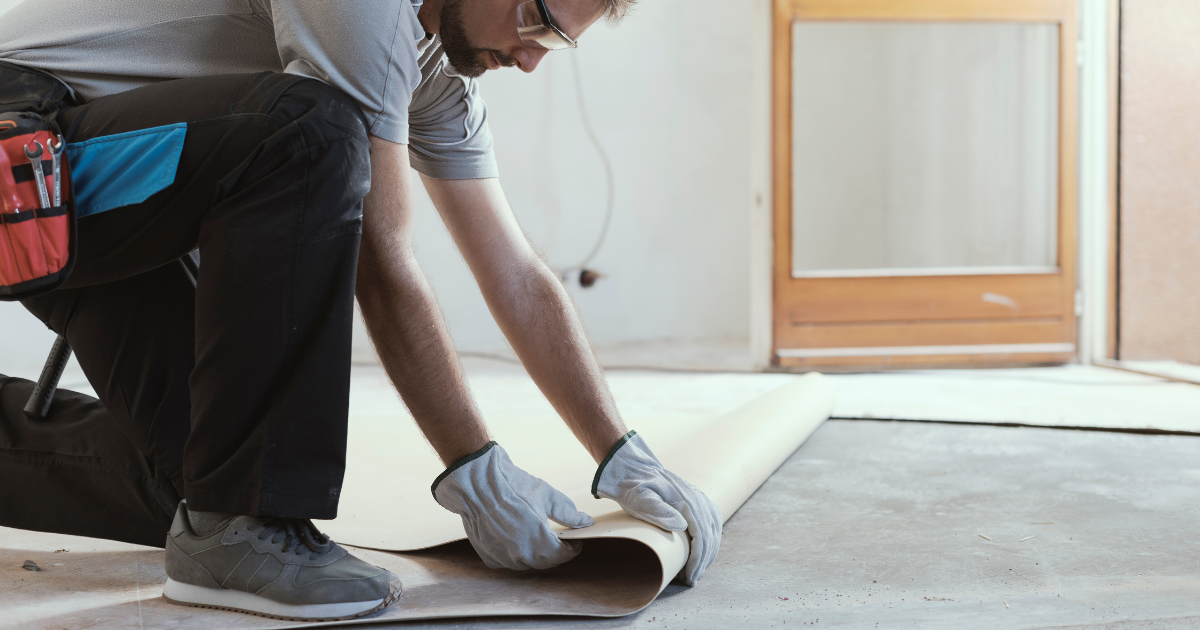
Replacement becomes more practical when repairs would be temporary, difficult to match, or too expensive compared with the condition of the entire floor.
Homeowners sometimes focus on the most obvious tear or stain without considering the floor as a whole. Before approving a repair, inspect the rest of the room. Look for worn pathways, dull areas, fading, loose sections, curling edges, open seams, recurring bubbles, cracks, and soft spots.
Replacement may be the better choice when several of these problems appear together.
Widespread wear is difficult to solve with isolated patches.
A patch can replace torn material, but it cannot restore the finish or appearance of the entire floor. If the main walkways are heavily worn or the surface is damaged throughout the room, a new patch may stand out against the older floor.
Repeatedly repairing several areas may eventually cost more than replacement. It can also leave the floor looking inconsistent.
Multiple loose seams may indicate a larger bonding problem.
One open seam can sometimes be repaired. If several seams or edges are separating, the adhesive may be failing across a broader area. Moisture, poor preparation, subfloor movement, aging adhesive, or installation errors may be involved.
Repairing one seam without addressing the cause may only delay another failure. Flooring care guidance recommends addressing seam issues promptly and limiting moisture around vulnerable seams.
Large water-damaged areas often require removal.
When water enters beneath linoleum, it may affect the adhesive, backing, underlayment, and structural subfloor. Warning signs include a musty smell, dark staining, bubbling, softness, lifting edges, recurring discoloration, or a floor that feels spongy.
The leak must be identified and repaired before the flooring is replaced. Installing a patch over damp or contaminated material can trap moisture and allow damage to continue.
Water damage near a toilet, dishwasher, refrigerator, sink, washing machine, exterior door, or plumbing line deserves careful inspection. A professional may recommend removing enough flooring to determine how far the moisture traveled.
Replacement may be necessary when matching material is unavailable.
Linoleum patterns and colors change over time, and discontinued products can be difficult to locate. Even when the same product is found, the new material may not match a floor that has been exposed to traffic, cleaning, sunlight, and normal aging.
A visibly mismatched patch may be acceptable in a laundry room or rental property, but it may not be appropriate in the center of an open kitchen.
The age of the floor should influence the decision.
A repair makes more sense when the floor is relatively new and otherwise performs well. If the floor is approaching the end of its expected service life, replacement may provide more value.
For example, spending $600 to repair one area of an older floor may not be worthwhile when several other areas are also showing wear. Spending the same amount to save a newer, high-quality floor could be a smart investment.
A damaged subfloor can make replacement unavoidable.
Resilient flooring requires a smooth, stable surface. Even small bumps, seams, fastener heads, cracks, or depressions may eventually show through the finished floor. Underlayment is often used beneath resilient flooring to create a smooth installation surface.
If the subfloor or underlayment is swollen, rotted, cracked, uneven, or contaminated, the flooring above it usually must be removed so repairs can be completed properly.
When comparing repair and replacement, consider:
- The repair estimate.
- The replacement estimate.
- The age of the floor.
- The number of damaged areas.
- The ability to match the material.
- The condition of the subfloor.
- The remaining expected life of the flooring.
- Whether the room will be remodeled soon.
- How visible the repair will be.
- Whether the damage may return.
A useful guideline is to think beyond the immediate invoice. A less expensive repair is not a bargain if it fails within a year. At the same time, a full replacement may be unnecessary when one small patch can extend the life of the floor for several years.
When You Should Call a Flooring Professional
Call a professional when the repair requires more than surface treatment or when the cause of the damage is unclear.
Some homeowners can successfully repair a small scratch, loose tile, or minor cut. Other problems require specialized tools, compatible adhesives, precise cutting, moisture testing, subfloor evaluation, or professional seam work.
Professional help is recommended in the following situations.
The damage is in the middle of a highly visible room.
A patch in the center of a kitchen or entryway must be aligned carefully. The installer may need to follow a repeating pattern, create clean edges, and blend the repair with the surrounding material.
Poorly cut patches can collect dirt along the edges or become a trip hazard. A professional repair may not be completely invisible, but proper preparation can make it less noticeable and more durable.
A sheet linoleum seam is opening.
Sheet flooring seams are vulnerable to water and debris. Avoid soaking or aggressively cleaning an open seam. Keeping the area dry until it can be inspected may help prevent further damage.
A flooring professional can determine whether the seam can be cleaned, reattached, and resealed or whether part of the flooring must be replaced.
The floor has bubbles in several areas.
One bubble could be related to trapped air or a limited adhesive problem. Several bubbles may indicate moisture, incorrect adhesive, poor subfloor preparation, or widespread bond failure.
Puncturing a bubble without identifying the cause can create a new opening that allows dirt and water beneath the floor.
There is evidence of moisture.
A professional can help determine whether the flooring is damaged only at the surface or whether water has reached the layers underneath. Depending on the source, you may also need a plumber, water damage specialist, mold remediation company, or general contractor.
Do not reinstall flooring until the moisture source has been corrected and the area is dry.
The subfloor feels soft, uneven, or unstable.
A soft area is not a cosmetic flooring problem. It may indicate damaged underlayment, deteriorated wood, water intrusion, or structural movement.
Covering it with a patch will not restore support. The damaged layers must be opened, evaluated, and repaired.
The floor is older and may require testing before removal.
Older flooring and adhesives should not be cut, sanded, scraped, or ground aggressively without proper evaluation. A qualified professional can explain appropriate testing and removal procedures.
You cannot identify the floor material.
Using vinyl repair products on linoleum, or linoleum products on another resilient floor, may produce poor results. A flooring contractor can help identify the product and select compatible materials.
The floor is covered by a warranty.
Attempting an unauthorized repair could affect warranty coverage. Review the warranty and installation documents before making changes. Contact the manufacturer, retailer, or original installer when possible.
When requesting professional estimates, prepare the following information:
- Photos of the entire room and close-ups of the damage.
- Approximate measurements of the affected area.
- The age of the flooring.
- The cause of the damage, if known.
- Whether the damage is getting worse.
- Whether water or plumbing is involved.
- Whether spare material is available.
- The product name or manufacturer, if known.
- Information about the subfloor or underlayment.
- Any previous repairs in the same area.
Ask the contractor to explain the cause of the problem, not just the proposed repair. A strong estimate should clarify whether the work is expected to be permanent, how visible the patch may be, and whether additional damage might be discovered after the floor is opened.
How to Decide Between Patching, Repairing, and Replacing
The best decision balances immediate cost with appearance, durability, and the risk of future damage.
Begin by inspecting the entire floor rather than only the damaged spot. Press gently around the area and look for movement, softness, discoloration, odor, loose edges, or additional bubbles. Do not pull up the flooring unless you understand the risks and know the floor can be handled safely.
Next, determine whether the damage is cosmetic or functional.
Cosmetic damage affects the appearance but does not prevent the floor from performing. Light scratches, scuffs, small stains, and minor fading may fall into this category.
Functional damage affects the floor’s ability to remain secure, dry, smooth, and safe. Tears, open seams, loose sections, large bubbles, water intrusion, damaged underlayment, and trip hazards require more attention.
Choose a surface repair when the floor is stable and the damage is minor.
Cleaning, polishing, filling, or sealing may be enough for shallow marks and small cuts. Use products approved for the specific flooring material.
Choose a patch when the damage is isolated.
A patch works well when one section has been burned, cut, gouged, or permanently stained but the rest of the floor remains in good condition.
The best patches use matching material and are installed over a dry, smooth, stable surface.
Choose partial replacement when several neighboring pieces are damaged.
Tile or plank-style linoleum may allow a contractor to replace a group of pieces without replacing the entire room. This can be useful near a doorway, appliance, toilet, or localized leak.
Choose full replacement when the damage is widespread or the floor is failing.
Replacement may be appropriate when there are multiple loose areas, extensive water damage, widespread wear, repeated seam problems, unavailable matching material, or major subfloor repairs.
Homeowners can use the following decision questions:
- Is the damage limited to one small area?
- Is the surrounding floor securely attached?
- Is the subfloor dry, firm, and level?
- Has the cause of the damage been corrected?
- Is matching material available?
- Would a visible patch bother you?
- How old is the existing floor?
- Are other areas beginning to fail?
- How long do you plan to keep the current flooring?
- Is the repair cost reasonable compared with replacement?
If most answers support the condition of the existing floor, a patch may be worthwhile. If several answers raise concerns about moisture, age, appearance, or widespread failure, replacement may provide better value.
Homeowners should also consider future renovation plans. If cabinets, appliances, walls, or plumbing will be changed soon, it may make sense to coordinate the flooring replacement with the larger project. On the other hand, a practical patch may be enough when a full remodel is planned within the next year.
Preventive care can also reduce future repair costs. Sweep regularly to remove grit, use protective pads under furniture, lift rather than drag heavy objects, address leaks immediately, and follow the manufacturer’s cleaning recommendations. When moving heavy appliances, use suitable floor protection rather than sliding them directly across the linoleum. Flooring manufacturers commonly recommend protective runways or panels when moving heavy furniture or appliances over resilient flooring.
Keep leftover flooring after a new installation. Store a few tiles or a rolled section in a dry, climate-controlled place. That extra material may make a future repair faster, less expensive, and easier to match.
Find Trusted Home Improvement Professionals Through The Renovation Room

Deciding whether to repair or replace a linoleum floor can be difficult when you cannot see what is happening underneath the damaged area. The Renovation Room helps homeowners connect with contractors and home improvement professionals who can evaluate flooring damage, explain available repair options, and provide estimates based on the actual condition of the home.
Through The Renovation Room website, homeowners can explore profiles, review services, submit project details, and connect with contractors who may be able to assist with flooring repairs, renovations, water damage, subfloor work, and other home improvement needs.
Conclusion
Linoleum floor repair costs can range from a few dollars for a simple DIY touch-up to several thousand dollars when moisture, subfloor damage, or full replacement is involved. The most important step is identifying the cause and extent of the problem before choosing a solution.
A small cut, isolated burn, loose tile, or minor stain may be suitable for patching when the surrounding floor is secure and matching material is available. Widespread wear, repeated seam failure, significant water damage, or a deteriorated subfloor may make replacement the better long-term investment.
Homeowners should avoid choosing a repair based only on the lowest initial price. A properly completed repair should address the visible damage and the condition underneath it. When the cause is uncertain, the damage is spreading, or the floor is located in a highly visible area, a qualified flooring professional can help determine the safest and most cost-effective next step.
Request more than one estimate when possible, compare the scope of work carefully, and ask whether the contractor is repairing only the surface or correcting the underlying issue. The right decision can extend the life of your floor, prevent additional property damage, and help you avoid paying twice for the same problem.
Frequently Asked Questions
How much does it cost to repair a linoleum floor?
A minor DIY repair may cost approximately $10 to $50. Small professional repairs may start around $100 to $300, while moderate repairs commonly cost several hundred dollars. Projects involving water damage, underlayment replacement, mold, plumbing, or major subfloor repairs may cost $1,000 or more.
Your actual cost will depend on the size and location of the damage, labor rates, material availability, floor type, and condition beneath the flooring.
Can torn linoleum be repaired without replacing the whole floor?
Yes. A small, isolated tear may be sealed or patched when the surrounding flooring is secure and the subfloor is dry. Larger tears may require a matching section of material to be inserted.
Replacement may be necessary when the tear is accompanied by widespread lifting, water damage, failing adhesive, or multiple worn areas.
Is it cheaper to repair or replace linoleum?
Repair is usually cheaper when the damage is limited to one area. Replacement may offer better value when the floor is old, heavily worn, damaged in several places, or installed over a failing subfloor.
Compare the repair cost with the expected remaining life of the floor. A low-cost repair may be reasonable even if it is not visually perfect, especially in a low-traffic or hidden area.
Can I repair linoleum flooring myself?
Some homeowners can handle small scratches, minor cuts, loose tiles, or simple patches. Successful DIY repair requires identifying the flooring correctly, using compatible products, preparing the surface, and matching the pattern.
Contact a professional for open sheet seams, extensive bubbles, water damage, soft subfloors, large patches, older flooring, or damage in a highly visible location.
How do I find matching linoleum for a patch?
Check for leftover flooring from the original installation. You may also contact the original installer, retailer, manufacturer, or previous homeowner.