
Key Highlights
- The average homeowner spends $4,000 to $9,000 on professional interior painting.
- Exterior painting typically costs between $4,000 and $8,000 for an average-sized home.
- Labor accounts for approximately 70% to 85% of the total painting cost.
- Surface preparation can represent 30% to 50% of the project’s overall budget.
- Premium paint costs more upfront but often lasts longer and requires fewer coats.
- Obtaining multiple detailed estimates helps homeowners avoid hidden fees and unexpected expenses.
Interior House Painting Costs: Room-by-Room Budget Estimates
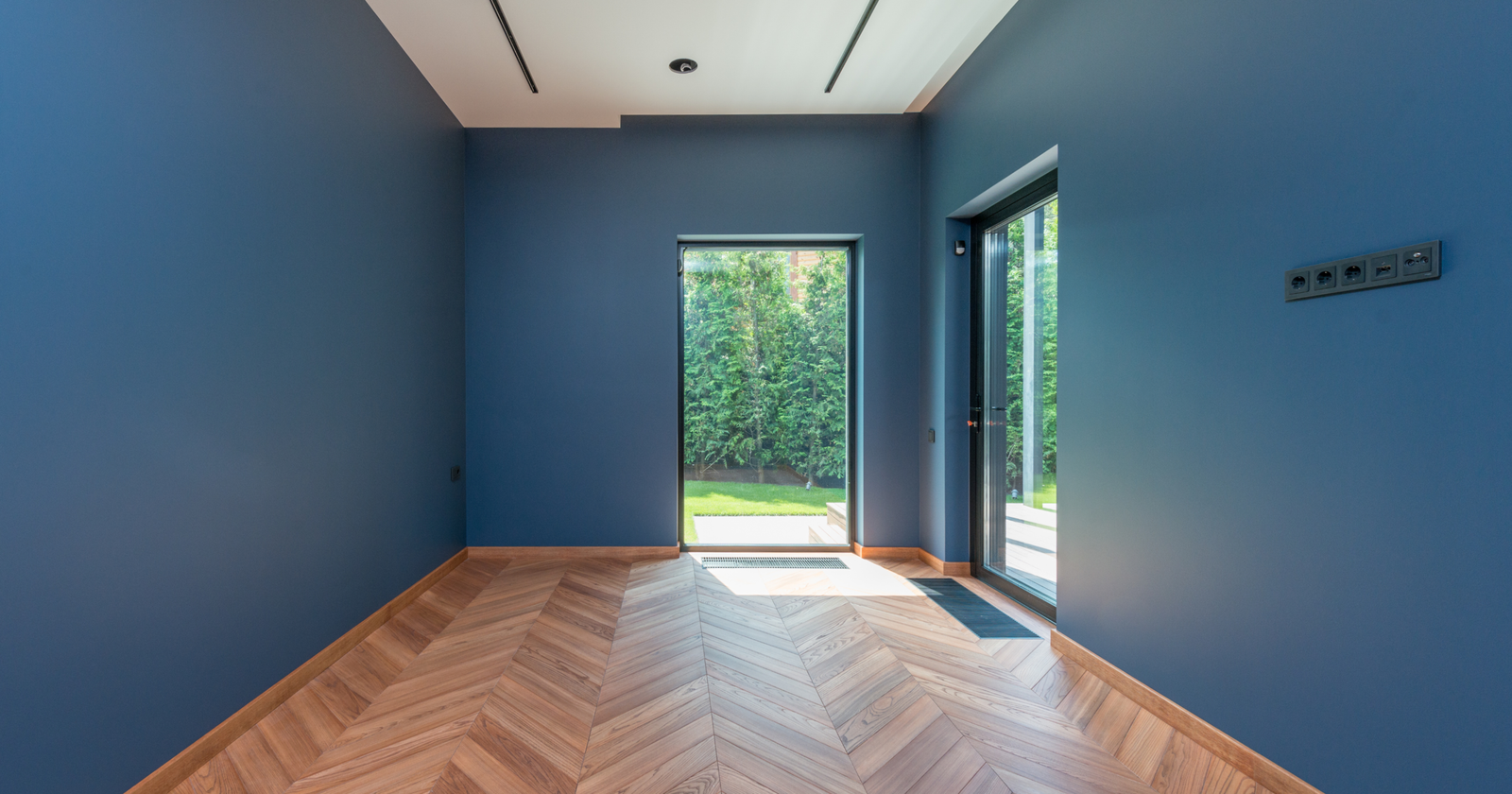
Interior painting is one of the most affordable home improvement projects while offering one of the highest returns on investment. A fresh coat of paint can brighten living spaces, modernize outdated rooms, and make a home more appealing to future buyers.
The average cost to professionally paint the interior of a home ranges from $2 to $6 per square foot, depending on labor rates, ceiling height, wall condition, and paint quality.
Below are typical costs homeowners can expect.
| Interior Project | Estimated Budget |
|---|---|
| Bedroom (10′ × 12′) | $400–$900 |
| Master Bedroom | $700–$1,500 |
| Bathroom | $250–$700 |
| Living Room | $700–$2,000 |
| Dining Room | $600–$1,500 |
| Kitchen Walls | $500–$1,500 |
| Hallway | $300–$900 |
| Stairwell | $700–$2,000 |
| Interior Doors | $75–$200 each |
| Trim & Baseboards | $1–$3 per linear foot |
| Ceiling | $1–$2.50 per sq. ft. |
| Whole Interior (1,500 sq. ft.) | $3,500–$7,500 |
| Whole Interior (2,500 sq. ft.) | $5,500–$11,000 |
For a typical 2,000-square-foot home, homeowners should budget approximately $4,500 to $9,000 for professional interior painting if the walls are in good condition.
However, if drywall repairs, wallpaper removal, texture matching, or extensive prep work are required, the final cost can increase by several thousand dollars.
See what your paint project should cost:
Painting your home is one of the most effective ways to improve its appearance, protect it from wear and tear, and increase its value. Whether you’re refreshing your living room or giving your home’s exterior a complete makeover, understanding the true cost of a painting project is essential before you begin.
Many homeowners assume that painting costs are based only on the size of the home, but that’s only part of the equation. The condition of the surfaces, the type of paint you choose, labor rates, accessibility, and the amount of preparation required all influence the final price. Two homes of the same size can have vastly different painting costs depending on these factors.
Generally speaking, interior painting is less expensive than exterior painting because indoor surfaces require less preparation and are protected from the elements. Exterior painting, however, involves more extensive preparation, specialized weather-resistant products, and additional labor to ensure the finish lasts for years.
This guide breaks down the estimated costs for interior and exterior house painting, explains where your money goes, highlights hidden expenses homeowners often overlook, and shares practical budgeting tips to help you plan your next painting project with confidence.
Exterior House Painting Costs: Protecting Your Home’s Investment
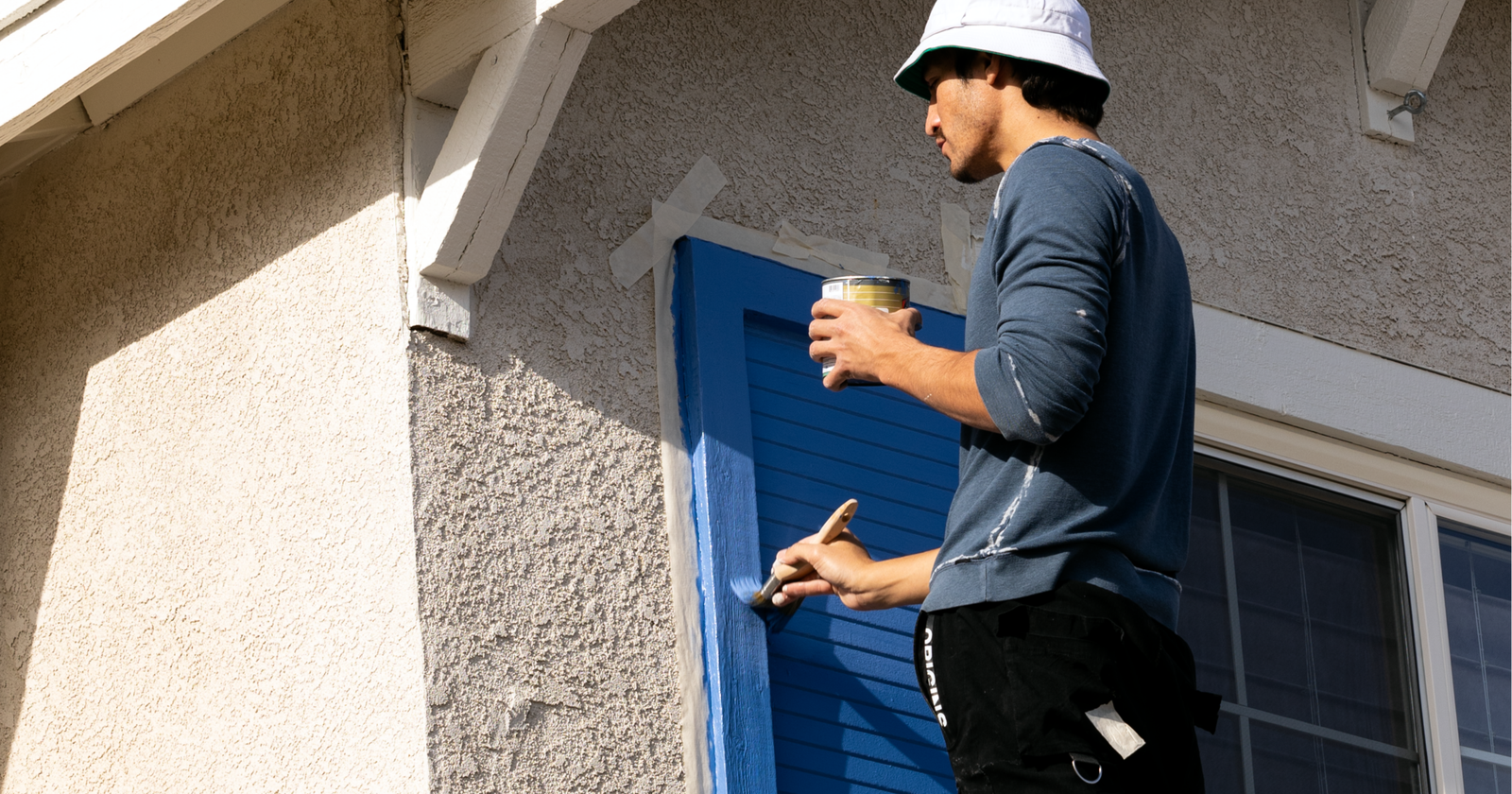
Exterior painting is generally more expensive because it involves extensive preparation, specialized equipment, and weather-resistant materials.
Professional painters must often pressure wash the home, scrape loose paint, replace damaged caulking, repair rotten wood, and apply primer before painting begins.
Average exterior painting costs include:
| Exterior Project | Estimated Budget |
| Small Home (1,000–1,500 sq. ft.) | $2,500–$5,000 |
| Average Home (2,000 sq. ft.) | $4,000–$8,000 |
| Large Home (3,000+ sq. ft.) | $6,500–$12,000+ |
| Garage | $800–$2,000 |
| Front Door | $150–$500 |
| Shutters | $60–$120 each |
| Deck Staining | $800–$2,500 |
| Fence Painting | $700–$3,000 |
Several factors influence exterior painting costs, including:
- Number of stories
- Type of siding (wood, stucco, brick, vinyl, or fiber cement)
- Architectural details
- Accessibility
- Landscaping around the home
- Weather conditions
- Existing paint condition
Although exterior painting requires a larger investment, it helps protect your home from moisture, UV damage, insects, and premature deterioration.
Where Does Your Painting Budget Go?
Many homeowners are surprised to learn that paint itself is only a portion of the overall project cost.
A professional painting estimate generally breaks down into three major categories.
Labor (70–85%)
Labor is typically the largest expense.
Professional painters generally charge:
- $25–$75 per hour per painter
- $2–$6 per square foot for interior painting
- $2–$7 per square foot for exterior painting
Labor includes:
- Moving furniture
- Protecting floors
- Surface preparation
- Priming
- Painting
- Cleanup
- Final inspection
Materials
Paint quality also affects your budget.
| Paint Quality | Price per Gallon |
| Economy | $25–$40 |
| Mid-Range | $40–$65 |
| Premium | $70–$100+ |
Most paints cover approximately 350 to 400 square feet per gallon, and most projects require two coats.
Primer typically costs an additional $20 to $50 per gallon.
Surface Preparation
Preparation is often overlooked but can account for 30% to 50% of the total project cost.
Typical preparation expenses include:
| Preparation Service | Estimated Cost |
| Drywall Repair | $200–$1,000 |
| Hole Patching | $50–$300 |
| Wallpaper Removal | $1–$3 per sq. ft. |
| Pressure Washing | $250–$700 |
| Paint Scraping | $500–$2,000 |
| Caulking | $300–$900 |
| Wood Rot Repair | $500–$3,000+ |
Skipping preparation may reduce costs initially, but it often leads to peeling, bubbling, cracking, and premature repainting.
Hidden Painting Costs Homeowners Often Forget

The initial estimate isn’t always the final bill. Several additional expenses can affect your overall budget.
Some commonly overlooked costs include:
- Furniture moving and storage
- Wallpaper removal
- Lead paint testing in older homes
- Extensive drywall repairs
- Mold or mildew treatment
- Wood replacement
- Permit requirements in certain municipalities
- HOA color approval fees
- Paint disposal fees
- Additional coats when changing from dark to light colors
- Scaffolding or lift rentals for multi-story homes
Homeowners should also plan for a contingency budget of 10% to 15% to cover unexpected repairs discovered during the project.
DIY vs. Hiring a Professional Painter
Many homeowners consider painting their homes themselves to save money. While DIY projects can reduce labor costs, they also require significant time, equipment, and skill.
| Expense | DIY | Professional |
| Paint | $400 | Included |
| Brushes & Rollers | $100 | Included |
| Ladders | $200–$500 | Included |
| Paint Sprayer Rental | $75–$150/day | Included |
| Drop Cloths & Supplies | $50 | Included |
| Your Time | 40–80 hours | 2–5 days |
A DIY interior project may cost $600 to $1,200, while hiring professionals could cost $4,000 to $8,000.
Although DIY appears less expensive, professional painters often complete projects faster, provide warranties, produce higher-quality finishes, and identify issues before they become costly repairs.
Creating a Realistic Painting Budget
A well-planned budget helps homeowners avoid financial surprises.
For example, here’s what a typical painting budget for a 2,000-square-foot home might look like.
| Budget Item | Estimated Cost |
| Interior Painting | $5,500 |
| Exterior Painting | $6,800 |
| Drywall Repairs | $600 |
| Pressure Washing | $400 |
| Premium Paint Upgrade | $900 |
| Contingency (10%) | $1,400 |
| Estimated Total Budget | Approximately $15,600 |
When comparing contractor estimates, don’t simply choose the lowest price. Instead, ask what’s included.
A detailed estimate should specify:
- Number of coats
- Paint brand and product line
- Surface preparation
- Repairs included
- Cleanup
- Warranty
- Estimated timeline
Comparing detailed estimates helps ensure you’re evaluating value, not just price.
Find Trusted Painting Professionals Through The Renovation Room

Whether you’re planning a single-room refresh or a complete exterior makeover, finding a qualified contractor is one of the most important steps toward a successful project.
The Renovation Room connects homeowners with trusted home improvement professionals across a wide range of services, including interior and exterior painting. You can browse contractor profiles, read customer reviews, compare services, and make more informed hiring decisions before starting your project.
If you’re looking for recommendations, project inspiration, or advice from other homeowners and industry professionals, join The Renovation Room Facebook Group, a growing community of 41,000+ members. It’s a place to ask questions, share renovation experiences, learn from experts, and connect with reputable contractors for your next home improvement project.
Whether you’re budgeting for a fresh coat of paint or planning a larger renovation, The Renovation Room is a valuable resource to help you confidently take the next step.
Conclusion
Interior and exterior painting projects require thoughtful planning, and understanding the costs involved can help homeowners make informed decisions. While interior painting is generally more affordable, exterior painting provides essential protection against the elements and often requires more preparation and specialized materials.
Remember that the lowest estimate isn’t always the best value. Quality preparation, premium materials, and experienced workmanship can extend the life of your paint job by several years, ultimately saving money over time.
By budgeting for labor, preparation, materials, repairs, and unexpected expenses, homeowners can complete their painting projects with confidence while protecting one of their most valuable investments.
Frequently Asked Questions
Is interior painting cheaper than exterior painting?
Yes. Interior painting typically costs less because it requires less preparation, simpler equipment, and standard paint products.
How often should a home’s exterior be repainted?
Most homes should be repainted every 5 to 10 years, depending on the siding material, climate, and paint quality.
How much should I budget for a whole-house interior paint job?
For an average 2,000-square-foot home, expect to budget between $4,500 and $9,000.
Is premium paint worth the extra cost?
In many cases, yes. Premium paint provides better coverage, improved durability, easier cleaning, and a longer lifespan, which can reduce maintenance and repainting costs.
Should I repair damaged walls before painting?
Absolutely. Proper surface preparation ensures better paint adhesion, a smoother finish, and longer-lasting results.