
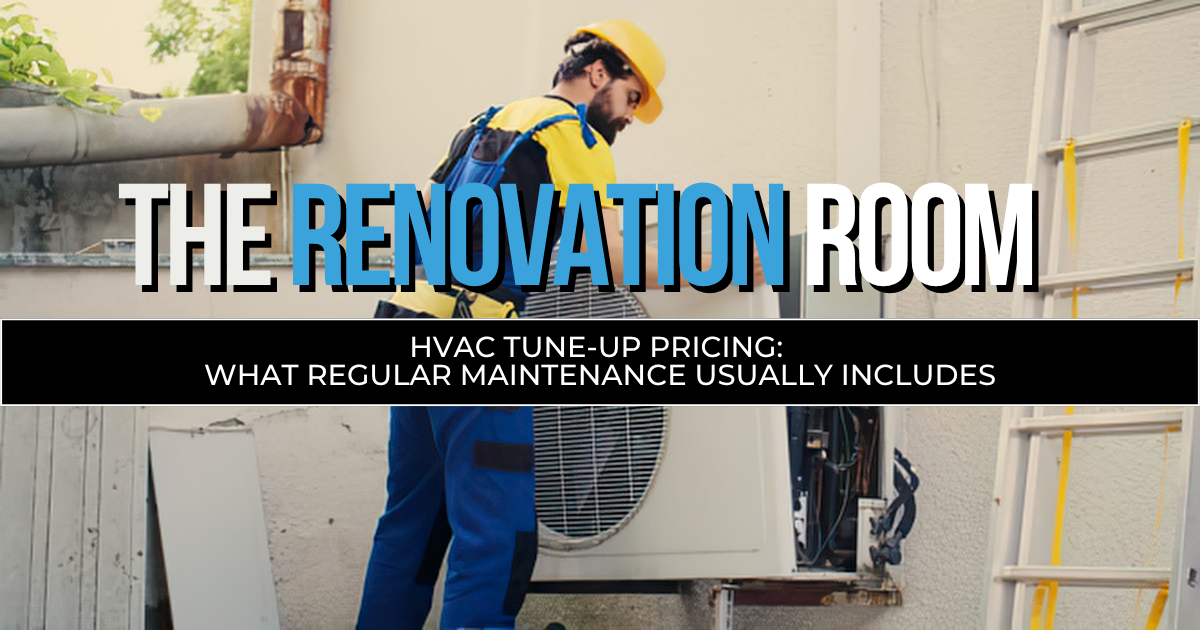
Key Highlights
- A typical HVAC tune-up can cost roughly $65 to $200 for many standard systems, although more comprehensive maintenance may cost $175 to $350 or more.
- A tune-up generally includes inspection, testing, basic cleaning, electrical checks, thermostat checks, and evaluation of system performance.
- Repairs, replacement parts, extensive coil cleaning, refrigerant, duct cleaning, and other corrective work are usually separate charges.
- System type, size, age, accessibility, location, and season can all affect the final price.
- Regular maintenance can help identify developing problems before they cause unexpected breakdowns.
- Homeowners should compare what is included in the service, not simply choose the lowest advertised price.
What Does an HVAC Tune-Up Cost?
There is no single nationwide price for an HVAC tune-up because every home, system, contractor, and market is different.
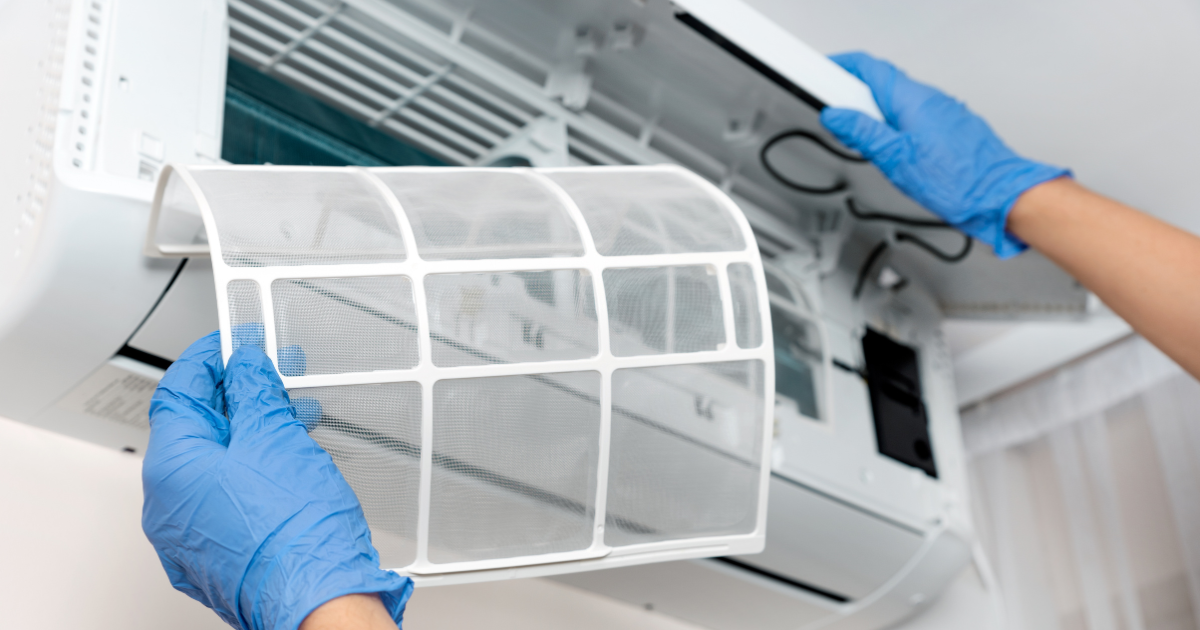
For a straightforward air-conditioning tune-up, homeowners may commonly see prices around $65 to $200. Current 2026 estimates from Angi list annual AC tune-ups at approximately $60 to $200, while This Old House estimates AC tune-ups at roughly $65 to $200 depending on system type and service level.
Furnaces may have different maintenance requirements. Angi currently estimates furnace maintenance at roughly $80 to $300. Heat pumps may fall around $80 to $150 in some situations, while mini-split and more complex systems can cost considerably more to maintain.
The word “tune-up” is also used differently by different HVAC companies. One company might offer an inexpensive seasonal inspection that primarily checks system operation. Another might include cleaning, testing, adjustments, measurements, and a detailed report in its standard tune-up.
That is why homeowners should ask exactly what is included before scheduling.
For example, imagine one company advertises an AC tune-up for $79 while another charges $169. The $79 service might include a basic inspection, thermostat test, electrical check, and visual examination. The $169 service might include those items plus coil cleaning, condensate drain maintenance, additional performance measurements, and a more detailed system evaluation.
The cheaper appointment is not necessarily a bad deal. It simply may not be the same service.
Pricing can also change when a home has multiple HVAC systems. A larger home may have two furnaces, two outdoor condensers, several mini-split heads, or separate systems for different levels of the home. Each additional unit requires additional inspection and labor.
See what your hvac project should cost:
Homeowners should therefore ask whether the quote is per system, per unit, or for the entire home.
Another option is an annual maintenance agreement. Some HVAC companies offer memberships that include one or two seasonal visits, discounts on repairs, reduced service-call fees, or priority scheduling. Current estimates commonly place annual HVAC maintenance plans around $150 to $300, although plans and benefits vary considerably.
Before joining a plan, compare the annual price with the actual services included.
What Does a Regular HVAC Tune-Up Usually Include?
A good tune-up is much more than someone looking at the equipment and saying that everything appears fine.
The exact checklist depends on whether the technician is servicing an air conditioner, furnace, heat pump, mini-split, or combined heating and cooling system. However, there are several tasks homeowners can reasonably expect during routine professional maintenance.
- Thermostat testing is usually one of the first steps. A technician may make sure your thermostat is communicating correctly with the equipment and that the heating or cooling system responds properly when the temperature setting changes.
- Electrical components should also be inspected. HVAC systems contain electrical connections, motors, capacitors, contactors, controls, and other components that experience wear over time. Loose or deteriorating connections can affect reliability and system operation.
- ENERGY STAR specifically recommends tightening electrical connections and checking voltage and current on motors during professional maintenance.
- Airflow is another important part of the inspection. Restricted airflow can make an HVAC system work harder than necessary. The technician may inspect filters, blower components, return-air areas, and other accessible portions of the system.
- The filter itself may be replaced during the appointment, although the price of the filter may or may not be included.
- Cooling-system maintenance may include examining the evaporator and condenser coils. Dirty coils can interfere with the system’s ability to transfer heat efficiently. ENERGY STAR recommends cleaning AC evaporator and condenser coils as part of appropriate maintenance.
The Department of Energy also emphasizes maintaining air-conditioning filters and coils because accumulated dirt and restricted airflow can reduce system performance and efficiency.
Technicians may inspect the drain line, condensate pan, and related components to make sure water is moving properly.
At the end of a proper tune-up, the homeowner should have a better understanding of the overall condition of the system. If the technician finds a weak component, unusual reading, leak, excessive buildup, or safety issue, that should be explained separately before additional repairs are performed.

Why Can HVAC Tune-Up Prices Be So Different?
Two homeowners can schedule what sounds like the same HVAC service and receive very different quotes.
One of the biggest reasons is system type. A conventional central air conditioner may be relatively straightforward to inspect, while a multi-zone mini-split, geothermal system, packaged system, or complicated heat-pump configuration can require more time.
Current 2026 pricing estimates illustrate this difference. Online maintenance costs ranging from about $60 to $200 for air conditioners but approximately $300 to $550 for mini-splits and $200 to $600 for some split systems.
The condition and age of your equipment can affect the appointment too. A relatively new system that has been maintained consistently may require routine inspection and minor cleaning. An older system that has gone several years without service may have heavy dirt accumulation, worn parts, drainage issues, corrosion, or other concerns requiring additional attention.
Accessibility matters as well.
A furnace located in an open basement mechanical room may be easier to service than equipment installed in a cramped attic, tight crawlspace, rooftop location, or difficult utility closet.
Your location also affects labor costs. HVAC companies have different operating expenses depending on the region they serve. Local wages, insurance costs, licensing requirements, travel distance, and general cost of living can all influence service pricing.
Seasonal demand can make a difference too. HVAC companies tend to become especially busy when the first major heat wave or cold snap arrives.
Scheduling routine cooling maintenance before peak summer or heating maintenance before winter can make appointments easier to obtain. ENERGY STAR recommends pre-season maintenance, generally checking cooling equipment in spring and heating equipment in fall.
The scope of the company’s tune-up is ultimately one of the biggest pricing factors. When comparing estimates, ask each contractor to provide a checklist of what the appointment includes.
That gives you a much better comparison than simply looking at the dollar amount.
What Is Usually NOT Included in the Tune-Up Price?
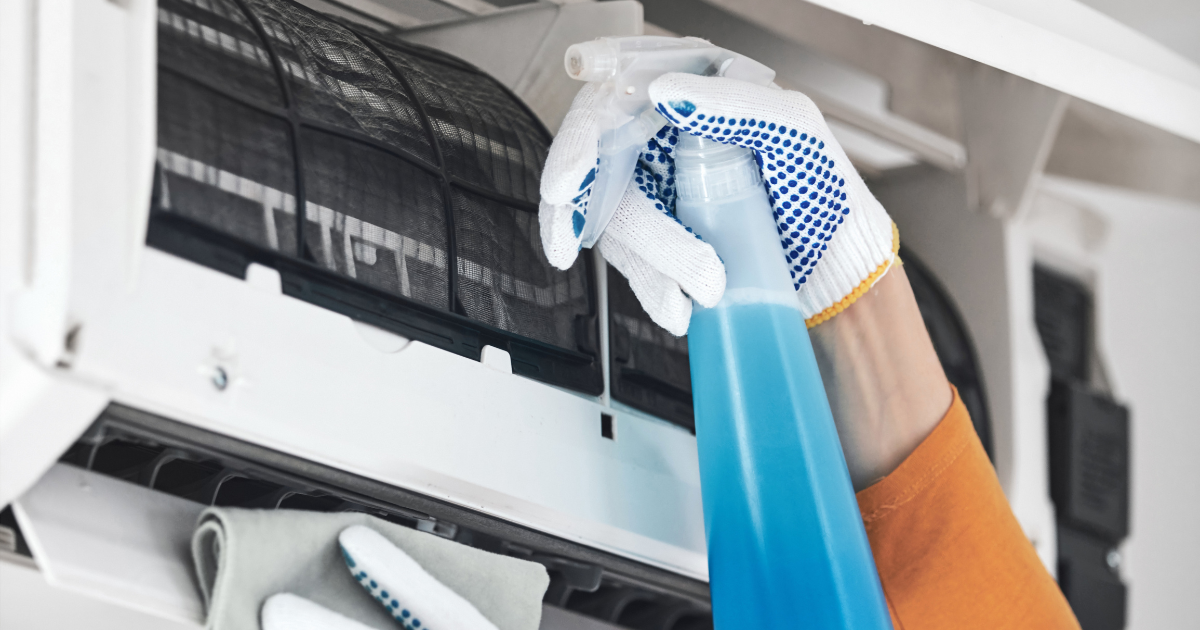
One of the most important things homeowners need to understand is that maintenance and repair are not the same service.
A tune-up is primarily preventive. The technician inspects, cleans, tests, and evaluates the equipment. If something is already broken, leaking, damaged, or worn beyond adjustment, fixing it will generally cost extra.
For example, a technician might discover that a capacitor is weakening. Identifying that problem may be part of the tune-up, but replacing the capacitor usually is not.
The same applies to motors, contractors, thermostats, control boards, blower components, ignitors, sensors, and other replacement parts.
- Refrigerant is another common area of confusion. Checking refrigerant operation or charge may be part of an AC inspection, but adding refrigerant or finding and repairing a refrigerant leak is generally a separate service. The Department of Energy recommends that trained HVAC professionals check refrigerant charge and test for leaks when appropriate.
- Extensive cleaning can also cost extra. A basic tune-up may include light cleaning of accessible components, but heavily contaminated coils, blower assemblies, or other components can require more labor. Air-duct cleaning is generally a completely separate project. Current estimates place duct cleaning well above the price of a routine tune-up, depending on the size and condition of the system. Homeowners should also know that an HVAC tune-up does not automatically include duct repair, insulation work, major thermostat replacement, indoor-air-quality equipment, mold remediation, or system modifications.
- A reputable contractor should explain additional costs before beginning extra work. If the technician discovers a repair during your maintenance visit, ask what is wrong, why the repair is recommended, what happens if you wait, and what the total cost will be.
You should understand the difference between something that requires immediate attention and something that simply needs to be monitored.
How Often Should Homeowners Schedule HVAC Maintenance?
For most homeowners, annual professional maintenance is a sensible baseline, and homes with separate heating and cooling equipment may benefit from seasonal service for each system.
Heat pumps operate during both heating and cooling seasons, so the appropriate schedule may depend on the manufacturer, climate, usage, and contractor recommendations.
Maintenance becomes especially valuable when your system works heavily for several months every year. Extreme temperatures can mean long operating cycles and significant wear.
Regular service gives a technician an opportunity to identify developing problems while the system is still operating instead of waiting until the equipment completely stops during a heat wave or freezing weather.
Homeowners also have an important role between professional appointments.
The Department of Energy recommends regularly checking or replacing filters according to the system and filter manufacturer’s guidance. During periods of heavy cooling use, filters may need attention every month or two, particularly in homes with dusty conditions or pets.
Keeping the outdoor unit clear can also help. Leaves, grass clippings, vegetation, dirt, and other debris can accumulate around outdoor equipment. Maintain appropriate clearance around the unit and avoid blocking airflow.
Homeowners can also watch for warning signs between tune-ups.
Unusual noises, unexplained increases in energy use, rooms that suddenly become difficult to heat or cool, frequent cycling, water around the equipment, unusual odors, weak airflow, or a system that runs continuously can all justify a professional inspection.
Do not wait for your scheduled annual tune-up if the system is clearly malfunctioning. Preventive maintenance is intended for operating equipment. A system that has stopped heating or cooling properly may need diagnostic repair service instead. One of the best ways to get value from maintenance is to keep records. Save your service invoices, note what was inspected, and keep track of previous repairs. Over several years, those records make it easier to see whether you are dealing with occasional normal maintenance or an aging system that is requiring increasingly frequent repairs.
Choosing HVAC Help Through The Renovation Room
Finding the right HVAC professional matters just as much as deciding to schedule maintenance.
Price is important, but homeowners should also consider experience, communication, licensing requirements in their area, insurance, reviews, and how clearly the contractor explains the work being recommended.
Before scheduling, ask what the tune-up includes. Find out whether the price is per unit, whether filters are included, whether coil or drain cleaning is part of the service, and whether there will be additional diagnostic or service-call fees if a problem is discovered.
The Renovation Room was created to make those home improvement conversations easier.
Through The Renovation Room website, homeowners can connect with home improvement professionals, explore resources, and get information that can help them make more confident decisions about repairs, maintenance, remodeling, and other projects.
The Renovation Room Facebook Group also brings together a community of 41,000+ homeowners and contractors.
Homeowners can share questions, learn from other people’s experiences, discuss projects, and ask for recommendations when they need help finding someone for their home.
From HVAC contractors and plumbers to electricians, remodelers, roofers, landscapers, and other home service professionals, the community gives homeowners a place to start the conversation before making a hiring decision.
You can also use The Renovation Room app to keep the community and home improvement resources more accessible from your phone.
🍎 Apple App Store – https://apps.apple.com/us/app/the-renovation-room/id6784749704
🤖 Google Play Store – https://play.google.com/store/apps/details?id=com.renovationroom.app
When your next home project comes up, whether it is routine HVAC maintenance or a major renovation, The Renovation Room can help you become a better-informed homeowner.
Conclusion
An HVAC tune-up is a relatively small maintenance expense compared with the cost and inconvenience of dealing with a major heating or cooling failure. For many standard systems, homeowners may see tune-up prices around $65 to $200, while more comprehensive maintenance, specialized equipment, multiple systems, or additional services can push the total higher. Rather than focusing only on finding the cheapest advertised special, focus on what is actually included.
A useful HVAC tune-up should give you information about the condition of your equipment, address routine maintenance needs, and identify potential concerns before they become emergencies. Ask questions. Compare service checklists. Keep your maintenance records. Change your filters when needed. And if a technician recommends additional repairs, make sure you understand exactly what is being recommended before approving the work. Taking care of your HVAC system does not guarantee that nothing will ever break. It does, however, give you a better opportunity to catch problems early and keep one of your home’s most important systems operating reliably.
Frequently Asked Questions
- How much does an HVAC tune-up usually cost? For many standard residential systems, a tune-up commonly falls around $65 to $200, although costs vary considerably. Broader HVAC maintenance appointments may reach approximately $175 to $350, while specialized or multi-unit systems may cost more.
- What is included in an HVAC tune-up? A typical tune-up may include thermostat testing, electrical inspections, system-control testing, airflow checks, condensate drain inspection, basic cleaning, and an evaluation of overall system operation. Cooling and heating equipment require different additional checks.
- Does an HVAC tune-up include repairs? Usually, no. The technician may identify a problem during the tune-up, but replacement parts and repair labor are typically quoted separately.
- Is refrigerant included in an AC tune-up? Checking the cooling system may be included, but adding refrigerant generally is not. If refrigerant is low, a qualified technician may also need to investigate the system for leaks rather than simply adding refrigerant.
- Is duct cleaning included with an HVAC tune-up? Generally, no. Air-duct cleaning is normally treated as a separate service and can cost considerably more than routine HVAC maintenance.