Key Highlights (Quick Summary)
- Choosing the lowest bid can lead to hidden costs, repeat repairs, and long-term damage.
- Skilled trades focus on proper installation, building codes, and long-term durability.
- Cheap materials and rushed labor often fail sooner, costing more over time.
- Poor workmanship can reduce energy efficiency and increase utility bills.
- Improper installations may void warranties and insurance coverage.
- Investing in quality workmanship protects resale value and prevents costly surprises.
- DIY has its place, but certain systems require trained professionals.
- Paying more upfront can significantly reduce lifetime homeownership costs.
Introduction
Home improvement can feel overwhelming. Between material costs, online tutorials, and endless “how-to” videos, it’s easy to believe that doing it yourself or hiring the cheapest option will save you money. On paper, that might look true. The estimate is lower. The timeline seems quick. The salesperson promises “basically the same result.”
But here’s what many homeowners discover later: the lowest price upfront often leads to the highest cost long term.
Repairs get redone. Materials fail early. Systems don’t work efficiently. Water finds its way in. Small mistakes compound over time. And what could have been handled correctly the first time becomes a much larger and more expensive problem.
If you care about your home holding its value, staying safe, and performing well year after year, this conversation matters.
The Illusion of Saving Money Upfront

When homeowners compare bids, the instinct is natural: choose the lower number. It feels responsible. It feels practical. Why pay $12,000 when someone says they can do it for $8,500?
The problem is that price alone rarely tells the full story.
The lowest bid often reflects shortcuts in labor, materials, or planning.
A contractor offering a significantly lower estimate may be:
- Using lower-grade materials
- Skipping proper prep work
- Hiring unskilled labor
- Cutting corners on permits or inspections
- Rushing the timeline to move on quickly
At first, everything looks fine. Fresh paint hides uneven drywall. New tile distracts from improper underlayment. A newly installed deck feels solid… for now.
But homes don’t reveal mistakes immediately. They reveal them over time.
A poorly flashed roof may not leak the first year. Improperly compacted soil under a patio may not shift immediately. Electrical wiring that “works” today might not meet code or load requirements long term. When issues surface, homeowners are left paying twice: once for the original work and again for corrections. The illusion of savings fades quickly when you’re writing a second check to fix preventable mistakes.
True savings come from durability, not discounts.
Material Quality Matters More Than Most Realize
Materials are not all created equal, even when they look identical.
Two vinyl floors may appear the same in photos. Two fences may look similar from the street. Two HVAC systems may both heat and cool your home.
But performance lives beneath the surface.
Lower-grade materials often wear out faster, require more maintenance, and fail earlier.
Examples homeowners frequently encounter:
- Thin roofing shingles with shorter lifespans
- Budget flooring that scratches or warps
- Low-quality paint that requires more coats and repaints
- Cheap plumbing fixtures prone to leaks
- Substandard lumber that twists or rots prematurely
When skilled tradespeople recommend certain materials, it’s usually based on experience. They’ve seen what holds up after five years. They know which brands stand behind warranties. They understand climate conditions and how materials respond to moisture, temperature swings, and wear.
A cheaper product may save a few hundred dollars upfront but cost thousands in premature replacement.
For example, installing quality underlayment beneath tile flooring may add cost initially. But without it, cracked tiles, loose grout, and moisture damage become likely.
The right materials don’t just look good. They perform consistently. They protect structural systems. They reduce maintenance costs. They support warranty coverage. Good tradespeople balance cost with durability. They aren’t pushing luxury for the sake of it. They’re protecting your long-term investment.
Labor Skill Is What Protects Your Home
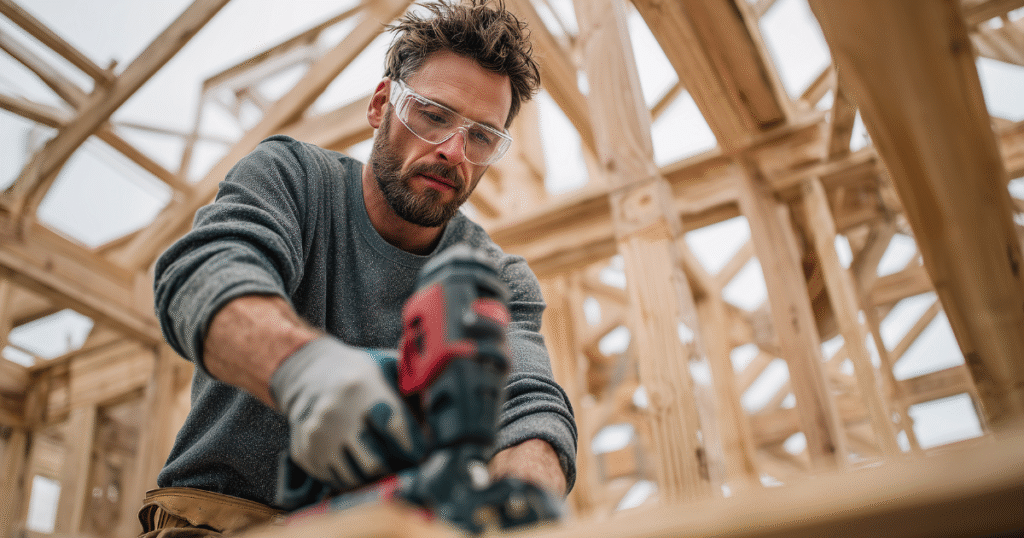
Materials matter. But installation matters more.
You can buy the best products on the market, but improper installation cancels their value.
Skilled labor reduces risk. Inexperienced labor increases it.
Consider these examples:
- Improperly sloped drainage causing foundation damage
- Poorly sealed windows leading to air leaks and moisture intrusion
- Incorrect electrical wiring creating fire hazards
- HVAC systems installed without proper load calculations
- Tile showers without waterproof membranes
These aren’t cosmetic errors. They’re structural and safety issues.
Licensed and experienced tradespeople bring training, certifications, and hands-on knowledge. They understand building science. They follow code requirements. They know how systems interact with each other.
For instance, sealing a house too tightly without proper ventilation can create humidity problems. Installing a heavier countertop without reinforcing cabinets can cause sagging. Roofing over old layers without checking decking can trap moisture.
Skilled trades look beyond the visible surface. Their work protects your home’s structure, indoor air quality, safety systems, and long-term integrity. When homeowners cut corners on labor, they’re not just risking appearance. They’re risking performance.
Energy Efficiency and Utility Costs Over Time
The long-term cost of poor workmanship doesn’t always show up as a repair bill. Sometimes it shows up in your monthly utility statements.
Improper installation reduces energy efficiency and increases operating costs.
Examples include:
- Gaps in insulation
- Poorly sealed ductwork
- Windows not properly flashed or sealed
- HVAC systems incorrectly sized
- Doors installed without proper weatherstripping
These mistakes may not look dramatic, but they quietly increase heating and cooling expenses year after year.
An HVAC system that is too large cycles on and off frequently, wearing down components and increasing energy use. A poorly insulated attic allows conditioned air to escape. Unsealed duct joints waste airflow.
Over 10 or 20 years, higher utility bills can add up to thousands of dollars.
Skilled trades focus on system performance. They measure. They test. They calculate. They seal and insulate carefully.
Efficiency isn’t just about new equipment. It’s about proper installation.
Investing in quality workmanship improves comfort and lowers long-term operating costs.
Code Compliance, Insurance, and Liability

Many homeowners underestimate the importance of permits and inspections.
Skipping permits might feel like saving time or money. But it can create serious consequences later.
Non-compliant work can impact insurance coverage and resale value.
If electrical or structural work is done improperly and causes damage, insurance claims may be denied. During a home sale, unpermitted work may surface in inspections, forcing expensive corrections.
Building codes exist for safety. They evolve as construction knowledge improves. Licensed tradespeople understand these requirements. They ensure work passes inspections. They document installations correctly. If something fails later, warranties and insurance protections remain intact. Cheap work that avoids oversight may feel convenient in the moment. But it exposes homeowners to legal, financial, and safety risks. Professional work provides protection beyond the visible result.
Resale Value and Long-Term Investment Protection
Your home is likely your largest financial asset.
Every improvement you make either protects or weakens that asset.
Quality workmanship increases buyer confidence and protects property value.
Home inspectors notice details:
- Proper flashing
- Clean electrical panels
- Correctly installed plumbing
- Straight framing
- Even finishes
Buyers notice too. They may not articulate technical flaws, but they feel the difference between rushed work and professional craftsmanship. Poor workmanship often leads to price negotiations during resale. Buyers request credits. Lenders raise concerns. Deals fall apart. On the other hand, well-executed upgrades can increase appraisal value and shorten time on market. Homes built and maintained with care hold their value better over decades.
Cutting corners today can limit flexibility tomorrow.
Here’s a shorter, tighter version that still keeps the value strong:
Why Community Can Save You Thousands
Before hiring anyone, one of the smartest moves a homeowner can make is learning from others who’ve already been there.
Experience shared upfront can prevent expensive mistakes later.
That’s where The Renovation Room website and Facebook Group come in. With over 40,000 homeowners and contractors, it’s a place where people openly share:
- Real project costs
- What went wrong and why
- What quality work should look like
- What to ask before signing a contract
Instead of guessing, homeowners can compare bids, learn what corners actually cost long term, and make informed decisions.
When you’re investing thousands into your home, having access to real-world advice and honest feedback can make the difference between doing it once… and doing it twice.
Sometimes the best savings start with better information.
Conclusion
Saving money feels responsible. And sometimes DIY projects make sense. Painting a room, replacing hardware, installing shelves. Those are manageable for many homeowners.
But structural systems, plumbing, electrical, roofing, and major renovations require skill and experience.
The true cost of cutting corners isn’t just financial. It’s stress. It’s inconvenience. It’s safety risk. It’s writing a second check for something that should have been done correctly the first time.
Skilled tradespeople don’t just complete projects. They protect homes.
When evaluating bids, don’t just ask “What’s the price?” Ask:
- What materials are included?
- Who is doing the work?
- Is it permitted and inspected?
- What warranty is provided?
- How long should this last?
Quality work is an investment. And over time, it almost always pays for itself.
FAQs
1. Is the highest bid always the best choice?
Not necessarily. The goal isn’t to choose the highest price. It’s to understand what’s included. Compare materials, scope of work, experience, warranties, and timeline before deciding.
2. When is DIY appropriate?
Cosmetic updates and minor repairs are often manageable. Structural, electrical, plumbing, roofing, and load-bearing projects should typically involve licensed professionals.
3. How can I spot red flags in a low bid?
Watch for vague material descriptions, no mention of permits, unusually short timelines, lack of insurance, or requests for large upfront cash payments.
4. Does quality workmanship really increase home value?
Yes. Professional installations improve inspection results, buyer confidence, and appraisal outcomes.
5. Why do skilled trades cost more?
Experience, licensing, insurance, proper tools, quality materials, and compliance all factor into pricing. These protect homeowners long term.