Key Highlights (Summary)
- Quality craftsmanship shows up early, especially during framing, rough-ins, and prep work
- Straight lines, clean cuts, and organized worksites are strong indicators of care and experience
- Proper preparation matters more than speed and often predicts the final outcome
- Good contractors follow codes, document their work, and explain issues clearly
- Communication and transparency are as important as technical skill
- Homeowners can spot quality without being experts by paying attention to patterns and habits
Introduction
Most homeowners judge a renovation by how it looks at the end. Smooth paint, clean tile, shiny fixtures. But by the time the final walkthrough happens, it’s often too late to catch deeper issues. The truth is, the most important indicators of quality craftsmanship appear long before the last coat of paint goes on.
Quality work reveals itself in the process. In how framing is laid out. In how materials are handled. In how tradespeople prepare surfaces, follow plans, and communicate when something isn’t right. Homeowners don’t need technical training to notice these things. They just need to know what to look for and when to look for it.
This guide is designed to help homeowners feel more confident during a renovation or build. It breaks down the key signs of good craftsmanship you can observe before the job is finished, so you can ask better questions, spot red flags earlier, and protect your investment.
Why the Early Stages Matter More Than the Final Finish
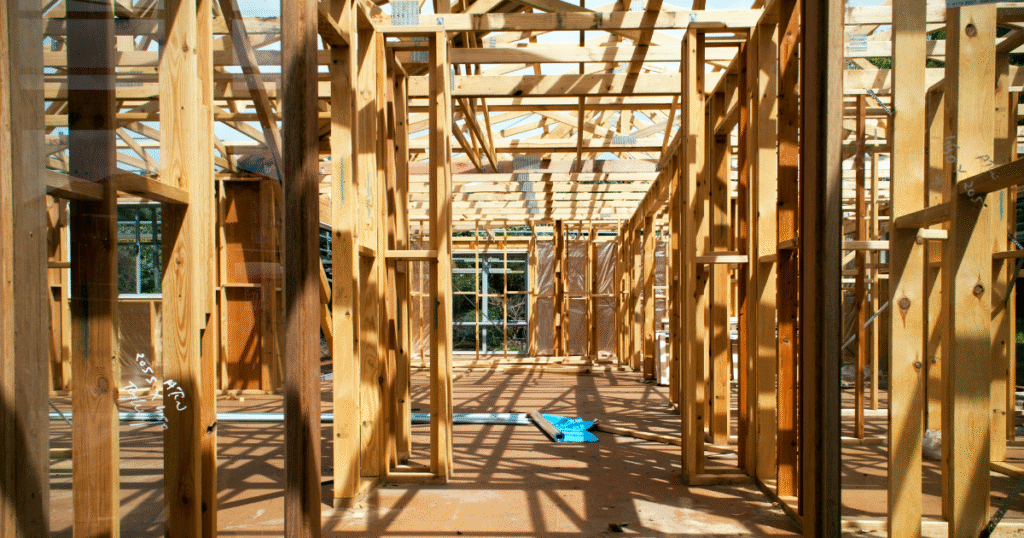
The early phases of a project tell you more about craftsmanship than the finished photos ever will. This is when work is most exposed, least forgiving, and hardest to hide.
Framing and structural work set the foundation for everything else. Walls that aren’t square, floors that aren’t level, or framing that’s rushed will cause problems later. Drywall can hide imperfections, but it can’t fix them. Cabinets won’t sit right. Tile lines will drift. Doors may stick or fail to close properly.
During these stages, quality contractors take their time. Measurements are checked and rechecked. Materials are aligned carefully. Adjustments are made early instead of pushed off until later.
Homeowners should pay attention to whether work looks intentional or rushed. Does the framing appear straight and evenly spaced? Are fasteners placed consistently? Are mistakes corrected immediately, or ignored with the promise that they’ll be “fixed later”?
Good craftsmanship shows respect for the structure itself, even when no one will see it once the walls are closed. Contractors who care about these details are far more likely to deliver a solid final result.
Visual Cues That Signal Care and Precision
You don’t need to understand building codes to recognize careful work. Visual consistency is one of the easiest ways homeowners can assess quality during a project.
Clean lines and symmetry are strong indicators of skill. Whether it’s framing, tile layout, trim, or drywall seams, quality work tends to look intentional and balanced. Measurements align. Edges meet cleanly. Gaps are minimal and consistent.
Look closely at joints and transitions. Corners should meet cleanly without excessive filler. Materials should line up where they’re supposed to. Uneven spacing, crooked lines, or sloppy cuts often signal rushed or inexperienced work.
Another key visual cue is how materials are handled. Quality contractors protect surfaces that are already installed. Flooring is covered. Fixtures are wrapped. Tools aren’t dragged across finished areas. This shows respect for both the home and the work itself.
Consistency matters more than perfection. Every job will have small imperfections. What matters is whether the work follows a pattern of care or a pattern of shortcuts.
The Role of Preparation in Quality Work

Preparation is one of the most overlooked aspects of craftsmanship, yet it’s one of the strongest predictors of success.
Good results depend on what happens before installation begins. Surfaces should be cleaned, leveled, and properly measured. Layouts should be planned before materials are cut. Contractors who rush prep often create problems that are difficult or impossible to correct later.
For example, tile work depends heavily on layout planning. A quality contractor will dry-fit or map out tile placement to avoid awkward cuts at edges or uneven grout lines. Paint finishes depend on proper sanding, patching, and priming. Skipping these steps leads to visible flaws later.
Homeowners can ask simple questions to gauge preparation. Has the layout been reviewed? Are measurements confirmed? Are surfaces ready for installation? Contractors who value prep will be able to explain their process clearly.
When prep work looks thorough and deliberate, it’s usually a sign that the contractor understands the long-term impact of their choices.
Jobsite Organization and Daily Habits
The condition of a jobsite often reflects the mindset of the people working there.
Organization is a sign of discipline and professionalism. Tools should be stored intentionally, not scattered randomly. Materials should be stacked safely and protected from damage. Trash should be managed regularly instead of piling up.
A perfectly clean site isn’t always realistic, especially during demolition. But there’s a difference between active work and careless mess. Quality contractors tend to reset their space at the end of the day. This helps prevent damage, improves safety, and keeps work efficient.
Daily habits matter. Are tools put away when not in use? Are walkways kept clear? Is dust controlled as much as possible? These details show whether the crew is thinking ahead or just pushing to finish quickly.
Homeowners should also observe how workers move through the space. Careful contractors are mindful of existing finishes, furniture, and personal belongings. Carelessness here often shows up later as damage or unfinished repairs.
Code Compliance, Documentation, and Accountability

Craftsmanship isn’t just about how things look. It’s also about whether the work is done correctly and safely.
Quality contractors follow building codes and manufacturer guidelines. This includes proper spacing, fastening, ventilation, and installation methods. These standards exist to protect homeowners, not to slow projects down.
Homeowners can ask whether inspections are scheduled and what permits are required. A contractor who avoids permits or dismisses code requirements should raise concern. Quality professionals understand that inspections are part of doing the job right.
Documentation is another key sign of accountability. Contractors who take photos during rough stages, keep records, and explain their decisions tend to care about transparency. They aren’t afraid to show their work because they stand behind it.
When problems arise, quality contractors address them openly. They explain what went wrong, what needs to be fixed, and how it will affect the timeline. Avoiding or minimizing issues is often a bigger red flag than the issue itself.
Communication as a Measure of Craftsmanship

Technical skill alone doesn’t define quality. Communication plays a huge role in how a project unfolds.
Good contractors communicate clearly and consistently. They explain what’s happening, what’s next, and what decisions need homeowner input. They don’t disappear for days without updates or make changes without discussion.
Pay attention to how questions are answered. Are explanations clear and patient, or dismissive and vague? Contractors who understand their craft can usually explain it in simple terms.
Quality communication also shows up when plans change. Renovations often uncover surprises. Skilled professionals know how to adjust while keeping homeowners informed and involved.
Trust is built through transparency. When contractors take time to explain their process and reasoning, it’s often because they take pride in doing the work properly.
Using Trusted Communities to Validate Craftsmanship and Contractors
One of the hardest parts of a renovation isn’t the work itself. It’s knowing whether what you’re seeing is normal, acceptable, or a sign of trouble. This is where access to the right community makes a real difference.
Homeowners benefit from spaces where real professionals and real experiences are shared openly. The Renovation Room website and Facebook Group were created to bridge the knowledge gap between homeowners and contractors. With over 40,000 members, the community includes experienced tradespeople, contractors, and homeowners who are actively involved in renovation conversations every day.
For homeowners, this means you don’t have to rely solely on guesswork or online reviews. You can ask questions, share photos, and get feedback from people who understand the work from the inside out. Whether you’re unsure about framing details, prep work, timelines, or communication issues, having access to knowledgeable voices can help you evaluate what you’re seeing on your own project.
Conclusion
Spotting quality craftsmanship before a job is finished isn’t about micromanaging or second-guessing professionals. It’s about understanding what good work looks like during the process.
Homeowners who pay attention to early stages, preparation, organization, and communication are better equipped to catch issues early and make informed decisions. Quality work tends to follow patterns. Careful prep, clean execution, and honest communication usually lead to better outcomes.
By knowing what to look for, homeowners can feel more confident, ask better questions, and protect both their homes and their investment long before the final walkthrough.
Frequently Asked Questions (FAQs)
Do I need construction experience to spot quality craftsmanship?
No. You don’t need technical knowledge to notice consistency, care, and organization. Paying attention to patterns and habits is often enough.
Is a messy jobsite always a bad sign?
Not always. Active demolition can be messy. The concern is whether the mess is managed and whether care is taken to protect finished areas.
Should I ask questions during the project?
Yes. Asking respectful, curious questions shows engagement and helps clarify expectations. Good contractors welcome informed homeowners.
What’s a red flag I shouldn’t ignore?
Repeated rushing, vague answers, skipping prep, or dismissing code requirements are all reasons to pause and ask more questions.
Can quality work still have small flaws?
Yes. No project is perfect. The key difference is whether issues are acknowledged and corrected, or ignored and hidden.
When is the best time to speak up if something looks wrong?
As soon as you notice it. Early conversations are easier and less costly than fixes after the job is complete.