
Key Highlights (Summary)
- January is the peak month for stress on heating, plumbing, and exterior surfaces due to freezing temperatures and increased indoor usage.
- Whole-home maintenance in winter focuses on protection, efficiency, and safety more than renovations or upgrades.
- Indoor priorities include furnace inspections, filter replacements, moisture management, and plumbing freeze prevention.
- Exterior priorities include ice dam monitoring, roof and gutter inspections, snow load management, and winterizing outdoor equipment.
- Chicago-style freeze-thaw cycles can damage concrete, masonry, and exterior finishes if neglected.
- Energy audits, spring project planning, and long-lead material orders are smart January homeowner tasks.
- Many jobs can be DIY, but certain tasks are better handled by licensed contractors (HVAC, plumbing, electrical, roofing).
- January maintenance reduces the likelihood of mid-winter emergencies and prepares homeowners for spring renovations.
Introduction
January hits the Midwest hard, and Chicago is no exception. Between freezing temperatures, wind chills, snow accumulation, and rapid thaw cycles, the average home is under more stress this month than almost any other time of year. Furnaces work overtime, pipes are at risk of freezing, exterior surfaces take a beating, and indoor air tends to get dry and stagnant. For homeowners, January is less about renovation and more about protecting the work already done.
This guide walks through the key maintenance tasks that help homeowners get through winter without costly repairs, energy loss, or safety issues. It blends indoor and outdoor priorities, explains the “why” behind each task, and offers cues for when to bring in a contractor. A monthly checklist approach makes it easier to tackle projects in manageable blocks rather than reacting to emergencies in February or March.
While January isn’t the month for big exterior remodels, it’s the perfect time to prep for spring work, evaluate energy performance, and get ahead of seasonal maintenance that saves money long term. A strong winter maintenance routine protects the home from damage, improves comfort, and extends the lifespan of major systems — especially in a city with weather as dramatic as Chicago.
Protecting the Heart of the Home: Heating & Ventilation Systems
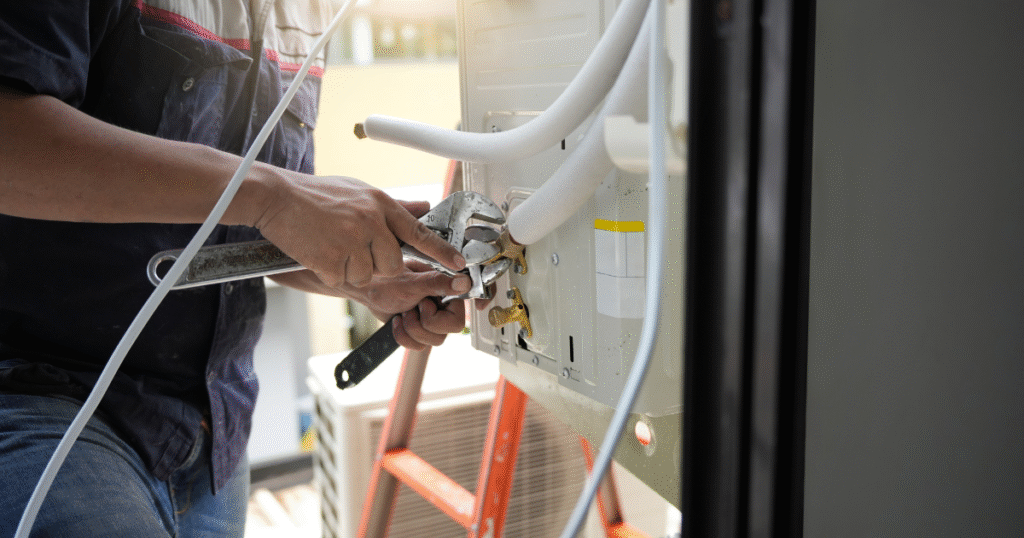
Heating and ventilation systems carry the heaviest workload in January. With Chicago’s average January temperatures hovering between 10°F and 32°F, furnaces often run non-stop. When a system is stressed, minor issues can quickly turn into major failures. A frozen night without heat can lead not only to discomfort but also burst pipes and thousands in damages.
Homeowners should start the month with a thorough furnace check. At minimum, that means replacing the air filter, clearing dust buildup around the unit, and confirming that vents and returns are unblocked by furniture or holiday clutter. A clogged filter restricts airflow, forcing the system to work harder and burning more gas or electricity than needed. In older homes, the furnace may already be oversized or inefficient, which makes airflow even more critical.
Professional servicing is also worth considering. While many HVAC contractors offer fall check-ups, January is when real-world performance issues show up. A technician will check temperature rise, inspect the heat exchanger, test ignition systems, and confirm safety limits. In Chicago, where many older homes rely on gas furnaces, it’s important to verify that exhaust flues are clear and condensate lines are draining properly. Blockages can lead to carbon monoxide risks or system shutdowns.
Ventilation deserves attention too. With everyone indoors more often and windows sealed shut, indoor air can quickly become stale and dry. Humidity levels below 30 percent contribute to static electricity, dry skin, warped wood, and shrinking caulk lines. Homeowners can use portable humidifiers or whole-home humidifiers if the furnace supports it. Balanced humidity reduces stress on building materials and improves comfort without cranking the thermostat.
Lastly, January is a smart time to evaluate insulation and air sealing. Many Chicago homes built before the 1970s lack modern attic insulation, which lets heat escape and encourages ice damming. Even upgrading attic insulation from R-19 to R-38 can make a noticeable difference in furnace run times and heating bills. Air sealing around doors, windows, and attic penetrations also reduces drafts and keeps conditioned air where it belongs.
Plumbing Freeze Prevention & Water System Checks
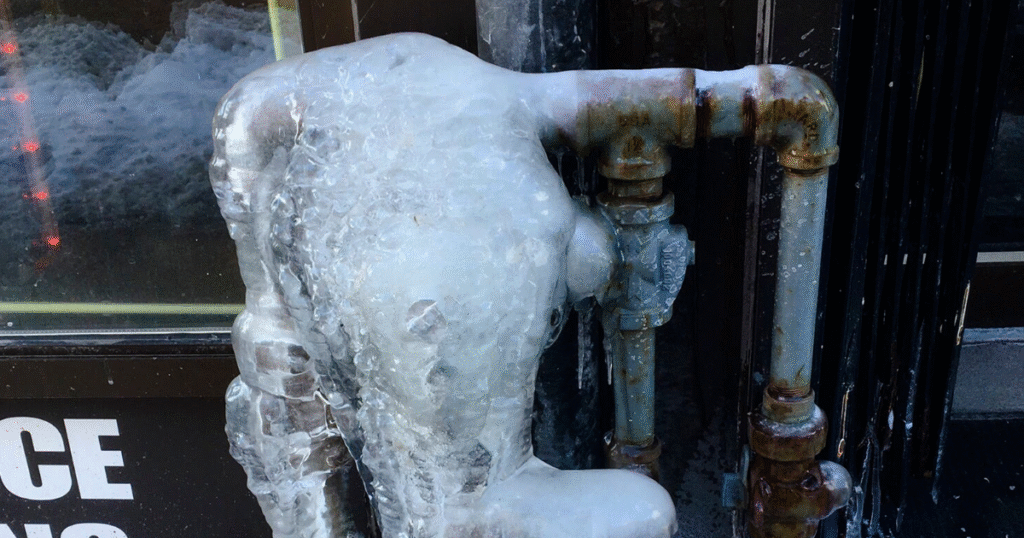
Frozen pipes are one of the most expensive winter failures a homeowner can face. When water freezes, it expands and puts pressure on plumbing lines. The line doesn’t always burst at the frozen spot, it often bursts further down after thawing, when pressure increases.
Chicago homeowners should pay extra attention to vulnerable runs of piping, especially in exterior walls, crawlspaces, unheated basements, and behind kitchen cabinets. Keeping these areas insulated and warm reduces the risk. In older bungalows and two-flats, the kitchen sink is a classic freeze point because cabinets block warm air circulation. Leaving cabinet doors cracked open on extremely cold nights helps warm airflow reach the pipes.
Outdoor hose bibs should already be winterized by January, but homeowners should double-check them during a mid-winter thaw. Any drip or leak can freeze solid and crack the fixture. If a homeowner suspects that outdoor lines weren’t properly drained — or if the home uses frost-free faucets that are several years old, they may want a plumber to inspect.
Water heaters also deserve mid-winter attention. With more hot showers, laundry, and dishwashing in January, tanks cycle more frequently. Flushing sediment out of the tank increases efficiency and reduces wear on heating elements. Homeowners with tankless systems should check error codes and confirm that intake and exhaust vents are clear of snow. If a condensate drain line freezes, tankless units shut down until it’s resolved.
Indoor leak detection is another important January task. With heat running steadily, humidity fluctuating, and older pipes expanding and contracting, slow leaks sometimes show up where supply lines enter walls or connect to fixtures. Early detection prevents drywall damage and mold growth. Smart leak sensors are becoming more common and can be installed in high-risk areas such as under sinks, near the water heater, and around laundry connections.
Exterior Surfaces, Roofs and Gutters
Chicago’s freeze-thaw pattern is tough on exterior components. Snow melts on warmer days, refreezes overnight, and puts strain on roofing, gutters, downspouts, siding, masonry, and concrete. These cycles widen cracks, break mortar, and accelerate wear.
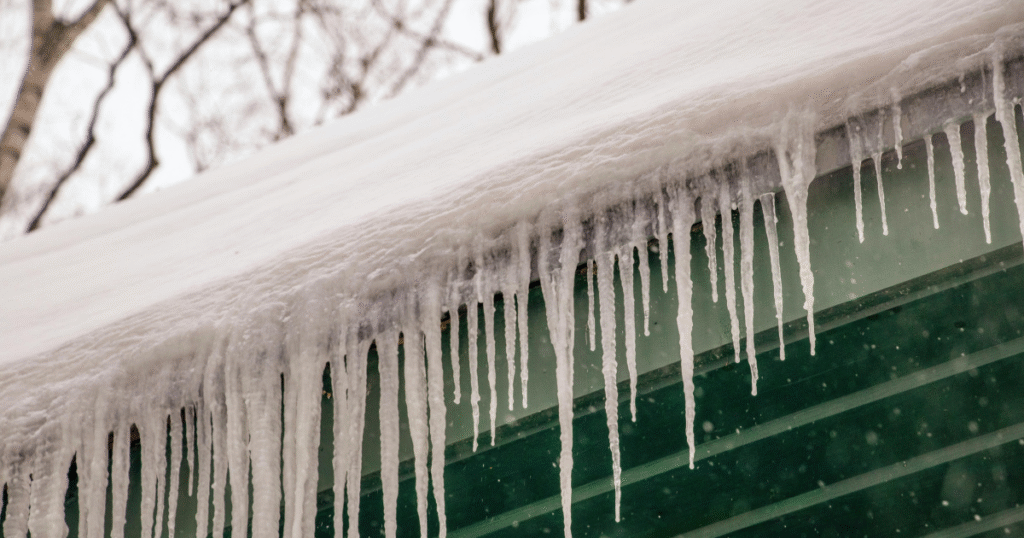
Ice dams are the most common winter roofing issue. An ice dam forms when heat escapes through the attic, warms the roof deck, and melts snow above the living space. Water runs downward until it reaches the colder edge of the roof, where it refreezes. Over time, a ridge of ice forms at the eaves and traps water behind it. That water has nowhere else to go except under shingles and into the attic or wall cavity. Homeowners may not notice a problem until stains appear on ceilings weeks later.
Prevention focuses on attic insulation, attic ventilation, and sealing warm air leaks into the attic. Using heat cables or manually clearing snow with a roof rake can buy time during peak storms, but they don’t fix the underlying cause. Contractors often educate homeowners by showing how kitchen and bathroom exhaust fans, can lights, or attic hatches leak heat upward.
Gutters and downspouts deserve mid-winter checks as well. Ice build-up can distort metal runs and loosen fasteners. When downspouts freeze solid, melting snow backs up toward the home, increasing flood risk during thaws. Homeowners should also check that drainage extensions haven’t shifted or disconnected under snow, which is common after plowing.
Exterior masonry and concrete surfaces are especially vulnerable in Chicago. Water infiltrates small pores and cracks, freezes, expands, and causes spalling or flaking. Steps, driveways, and patios that were never sealed or have aging sealants degrade quickly during winter. While January isn’t the month for resurfacing, noting damage early helps homeowners plan spring repairs or sealing work before deterioration worsens.
Indoor Air Quality, Moisture Control and Material Protection
Indoor air quality takes a hit during January. Homes are closed up tight, humidity drops, and airborne contaminants linger longer. Homeowners may notice dust accumulation, odors, sinus irritation, or dry eyes. Improving air quality reduces discomfort and protects finishes such as wood floors, trim, and cabinetry that expand and contract with humidity swings.
Using HEPA-rated vacuum filters, cleaning vent registers, and adding proper humidity are simple steps that help. Whole-home humidifiers tied to furnace systems produce more consistent results than portable units, but both are viable. The target humidity is typically 30 to 45 percent, high enough to relieve dryness but low enough to prevent condensation on windows.
This month is also ideal for addressing dryer vents, which are a hidden fire hazard in many homes. Lint buildup reduces airflow and forces dryers to work harder. In Chicago condos and multi-unit buildings, longer duct runs make lint accumulation worse. Cleaning the vent line and verifying outside termination points improve efficiency and safety.
Another overlooked January task is inspecting mechanical room clearances. Furnaces, water heaters, and boilers require proper combustion air. When homeowners store holiday decorations, paint cans, or cleaning supplies in utility rooms, they sometimes restrict ventilation without realizing it. Excess combustible materials near open-flame appliances can also pose fire risks.
Wood flooring and millwork are sensitive during January as well. Rapid humidity drops cause boards to contract, leading to squeaks, gaps, or cupping. Homeowners with valuable hardwood installations may consider humidification systems to protect long-term investment. Builders often explain that flooring installed in humid seasons will shrink in winter — it’s normal, but manageable with proper moisture control.
Safety Equipment, Electrical Systems and Winter Preparedness
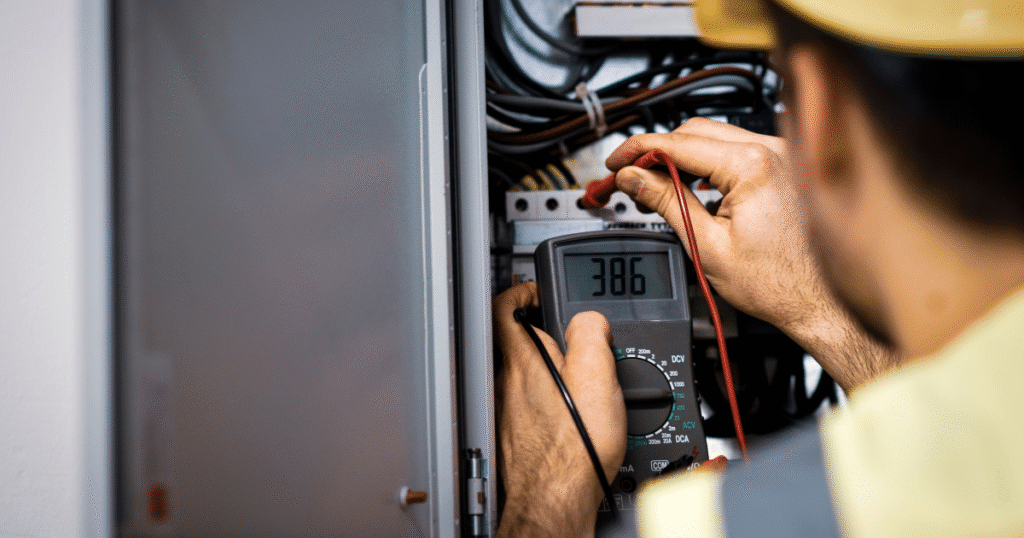
Safety systems are often out of sight and out of mind until they fail. January is an appropriate month for testing smoke detectors, carbon monoxide detectors, and ground-fault circuit interrupters (GFCIs). With gas appliances running heavily and windows closed, carbon monoxide poisoning is a winter risk in older homes, especially those without updated venting.
Electrical panels and circuits are also under heavier winter loads. Space heaters, holiday lighting, and kitchen appliances push circuits close to capacity. Homeowners may notice warm outlets, tripped breakers, or flickering lights — all signs worth investigating. In homes with aluminum wiring or outdated breaker panels, electricians can perform safety inspections and recommend upgrades.
Backup power planning is another winter consideration. Chicago windstorms and heavy wet snow occasionally knock out power. While whole-home generators are an investment, portable generators and battery backup systems offer more affordable alternatives. Contractors can help homeowners size equipment based on critical loads such as furnaces, sump pumps, refrigerators, and medical devices.
On the preparedness side, every homeowner should have a basic winter emergency kit with essentials like flashlights, blankets, bottled water, and extra batteries. Homeowners in flood-prone neighborhoods should also test sump pumps, particularly during mid-winter thaws when snow melts rapidly and ground saturation spikes. A sump pump without a working check valve can push water back into the pit instead of out of the home.
Planning Spring Work & Long-Lead Renovations
January is the planning month for spring and early summer projects. Contractors typically book out weeks or months in advance once warmer weather hits, especially for roofing, siding, landscaping, deck builds, and concrete work. Homeowners who wait until April to start calling often end up at the back of the queue.
Now is a smart time for homeowners to request estimates, compare bids, and make decisions about materials with long lead times. Roofting replacements, window upgrades, and exterior doors sometimes require weeks to arrive due to manufacturing and shipping schedules. Planning early prevents project delays when the first warm weekend sparks a renovation rush.
Energy audits are also worth scheduling in winter. Thermal imaging during cold weather reveals insulation gaps, air leaks, and moisture problems that are harder to detect once temperatures rise. The results inform spring insulation, air sealing, and ventilation upgrades that reduce cooling costs in summer and heating costs the following winter.
January is also the time to take inventory of maintenance from the previous year. Homeowners should review any notes on wear and tear, warranty items, and unfinished repairs from the fall. Tracking annual maintenance builds awareness and helps homeowners budget intelligently for ongoing improvements. Many contractors appreciate organized homeowners because it reduces scope creep and miscommunication during the quoting process.
The Renovation Room Community & Resources for Homeowners

Homeowners don’t have to navigate maintenance and renovation alone. The Renovation Room is both a website and an active Facebook community where homeowners, contractors, and renovation enthusiasts exchange real-world advice, before-and-after project photos, and credible contractor recommendations. With more than 40,000 members, the group has become a go-to space for learning, troubleshooting, and planning home projects at every scale.
Where most renovation content online focuses only on glamor shots or finished spaces, The Renovation Room gives homeowners something more practical: direct access to people who have lived through the process. Members ask questions, compare bids, share renovation lessons, clarify building terminology, and even post local contractor leads when they’re stuck. The group has become especially helpful for first-time homeowners who don’t yet know what questions to ask or what a realistic scope should look like.
To support homeowners during the winter months, this January Monthly Maintenance Checklist is available as a downloadable resource, making it easy to track essential tasks, stay organized, and prevent avoidable winter issues.
Conclusion
January may feel like a month where not much gets done around the house, but in reality it’s one of the most important months of the year for maintenance. Cold weather, short days, and heavy system usage push the home to its limits. A homeowner who keeps up with inspections, freeze prevention, ventilation, and safety checks dramatically reduces their risk of mid-winter emergencies. Chicago’s climate in particular rewards homeowners who pay attention to ice dams, plumbing freeze points, sump pump function, and heating performance.
By approaching January maintenance as an annual rhythm rather than a one-time checklist, the home stays more comfortable, efficient, and durable. The tasks completed in January also set the stage for spring projects, provide contractors time to plan and bid work, and make it easier for homeowners to budget. Winter maintenance isn’t glamorous, but it’s one of the smartest ways to protect a property.
Frequently Asked Questions (FAQs)
Why is January a critical maintenance month for Chicago homeowners?
Because it combines freezing temperatures, heavy heating loads, and freeze-thaw cycles that stress mechanical systems and exterior materials.
When should a homeowner call a contractor instead of doing it themselves?
HVAC repairs, electrical diagnostics, roof work, and plumbing freeze issues are better left to licensed professionals for safety and cost reasons.
How often should furnace filters be changed?
In winter, every 30 to 60 days depending on filter type, pets, and dust levels.
What signs indicate an ice dam may be forming?
Icicles at the eaves, uneven snowmelt on the roof, and water stains on ceilings near exterior walls.
Is it normal for wood floors to gap in January?
Yes, low humidity causes contraction. Humidification reduces visible gaps.
Should homeowners winterize sump pumps?
Sump pumps don’t need winterization, but they should be tested, and discharge lines must remain unfrozen to prevent backups.
What’s the best month to book exterior renovation work?
January and February are ideal for planning and bidding so work can begin once weather breaks in spring.