
Key Highlights (Summary)
- The best renovations begin with clarity, not construction
- Knowing what projects truly matter helps you avoid wasted money
- Realistic budgets and timelines prevent stress and mid-project surprises
- Early connections with qualified professionals lead to better results
- Last-minute decisions almost always cost more and deliver less value
- Planning ahead gives homeowners more control, better pricing, and peace of mind
Introduction
Most homeowners think renovation begins the moment a wall comes down or a contractor shows up with tools. That moment feels exciting. It feels productive. It feels like progress.
But the truth is, the smartest renovations start long before demolition day.
They begin quietly. With decisions. With conversations. With honest budget talks at the kitchen table. With planning that doesn’t look flashy but saves real money, real time, and real stress later. Too many renovation regrets come from rushing. Rushing to “just start.” Rushing because a sale ends soon. Rushing because a contractor has an opening. Rushing because something broke and now everything feels urgent.
Planning doesn’t slow you down. It protects you.
When you plan first, you gain options. You gain leverage. You gain clarity. You make better choices because you’re not reacting under pressure.
Identify the Projects That Actually Matter
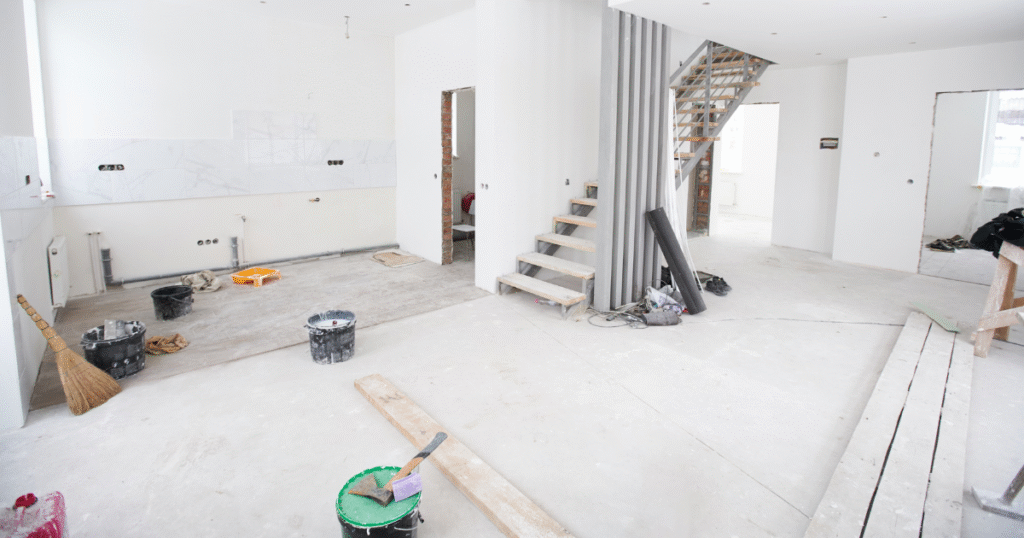
One of the biggest planning mistakes homeowners make is starting with aesthetics instead of priorities. It’s easy to say you want a new kitchen. Or updated bathrooms. Or a finished basement. But smart renovation planning asks a different question first.
What problems are you actually trying to solve?
Maybe your kitchen isn’t outdated. Maybe it’s dysfunctional. Maybe storage is the issue. Maybe traffic flow causes daily frustration. Maybe your family has changed, and the house hasn’t caught up. When you identify projects based on needs rather than trends, your renovation becomes more intentional and more effective.
Start by walking through your home with a critical but honest eye. Notice what doesn’t work, not just what doesn’t look good. Pay attention to recurring annoyances. Drafts. Noise. Lack of outlets. Poor lighting. Awkward layouts. Storage shortages.
These pain points often matter more than cosmetic upgrades and usually deliver more long-term value. It’s also important to separate “want now” from “need soon.” A cosmetic refresh might feel urgent, but a roof, HVAC system, electrical updates, or drainage issues often deserve higher priority. Ignoring these can lead to expensive rework later. Another key step is thinking about how long you plan to stay in the home. Renovations for short-term resale should focus on broad appeal and return on investment. Renovations for long-term living should prioritize comfort, functionality, and durability.
When homeowners skip this step, they often end up renovating twice. Once for excitement. Once for regret. Clarity at this stage saves money later. It helps you say no to unnecessary upgrades and yes to projects that genuinely improve daily life.
Set Realistic Budgets That Account for Reality

Budgeting isn’t about picking a number you hope works. It’s about understanding what things actually cost and preparing for what inevitably comes up. Most renovation budgets fail for one simple reason. They don’t include enough margin for reality. Older homes hide surprises. Materials fluctuate. Labor costs change. Design decisions evolve mid-project. These aren’t exceptions. They are normal.
A realistic renovation budget includes three layers. The base cost is the expected price of labor, materials, permits, and finishes. This comes from real quotes, not online averages. The contingency fund is usually 10 to 20 percent of the total project cost. This covers unexpected repairs, structural issues, or necessary upgrades uncovered during the work.
The decision buffer allows for upgrades or changes you may choose once you see the project take shape. Maybe you decide better lighting is worth it. Maybe cabinetry needs adjustment. Without a buffer, these decisions feel stressful instead of exciting. Homeowners often underestimate how emotionally charged renovation spending can be. When you’re already committed and halfway through, saying no becomes harder. A solid budget protects you from making rushed financial decisions under pressure. It’s also critical to align your renovation budget with your overall financial picture. Renovations should improve your life, not create long-term financial strain. If the numbers feel tight before you start, they will feel unbearable halfway through. Planning gives you time to save, adjust scope, or phase projects strategically instead of stretching too far all at once.
Build Timelines That Match Real Life
Renovation timelines are not promises. They are estimates. Smart homeowners treat them as flexible frameworks, not rigid schedules. The biggest timeline mistake is planning renovations around ideal conditions instead of real life constraints. Weather delays happen. Permits take longer than expected. Materials get backordered. Contractors juggle multiple projects. Your own schedule changes. A realistic timeline includes buffer time between phases. It accounts for inspections. It allows room for decision-making without panic. Another overlooked factor is how renovation affects daily life. Living through a remodel takes energy. Noise, dust, limited access to spaces, and temporary inconvenience add up quickly.
If you have kids, pets, work-from-home schedules, or caregiving responsibilities, timelines need to reflect that reality.
Phasing projects can be a powerful planning tool. Instead of tackling everything at once, homeowners often get better results by prioritizing structural or system upgrades first, then layering cosmetic improvements later. Seasonal timing also matters. Exterior work, HVAC upgrades, and roofing often depend on weather windows. Interior projects may be better suited for certain months depending on household schedules. When homeowners rush timelines, quality suffers. Mistakes happen. Decisions feel forced. Costs rise.
A well-planned timeline doesn’t just manage construction. It protects your sanity.
Avoid Last-Minute Decisions That Drive Up Costs

Urgency is expensive. Last-minute decisions limit options. Limited options increase costs. This pattern shows up in nearly every rushed renovation. When materials are chosen under time pressure, homeowners often pay more for rush orders or settle for whatever is in stock. When layouts change mid-project, labor costs rise. When permits are delayed, timelines stretch and expenses grow.
Planning prevents these scenarios by front-loading decisions.
Selecting finishes early allows time for price comparison. Finalizing layouts before demolition avoids costly revisions. Confirming scope reduces change orders. It also allows you to spot where spending actually matters. Some upgrades deliver daily value. Others look good on paper but don’t improve function. When everything feels urgent, it’s hard to tell the difference. Last-minute decisions also strain relationships with contractors. Stress increases. Communication breaks down. Projects feel chaotic. A planned renovation feels controlled. Even when surprises arise, you’re prepared to handle them calmly.
Connect Early With the Right Professionals

One of the most expensive renovation mistakes is waiting too long to bring professionals into the conversation. Many homeowners try to plan everything themselves first, then reach out to contractors once they feel “ready.” By that point, key decisions may already be locked in or based on assumptions that don’t hold up in the real world. Early conversations with qualified professionals help you refine scope, adjust expectations, and avoid costly missteps. Even a short consultation can uncover things homeowners rarely think about, like structural limitations, local code requirements, sequencing issues, or long-term maintenance concerns. Connecting early also gives you access to better scheduling options. Skilled professionals book out in advance. Waiting until the last minute often means choosing from whoever is available, not whoever is best for your project.
This is where trusted homeowner resources can make a real difference.
Platforms like The Renovation Room exist to help homeowners connect with vetted professionals before mistakes happen. Their website offers educational resources to help homeowners ask better questions, understand renovation timelines, and prepare for conversations with contractors.
In addition, The Renovation Room Facebook Group brings together more than 40,000 homeowners and professionals in one place. It’s a space where homeowners can learn from real projects, see how others navigate decisions, and get practical guidance from experienced pros without the pressure of a sales pitch.
Having access to professional insight early helps you compare options realistically, spot red flags sooner, and feel more confident moving forward. It also makes it easier to compare quotes accurately, since clear plans lead to clearer pricing. Renovations are collaborative by nature. Trust, communication, and alignment matter just as much as cost. Planning ahead gives you the time to find professionals who understand your goals and respect your budget, rather than forcing rushed decisions later.
Conclusion
Demolition may look like the start of a renovation, but it’s really the midpoint. The smartest work happens before the first wall comes down. When homeowners take time to identify the right projects, build realistic budgets, plan flexible timelines, connect early with qualified professionals, and avoid rushed decisions, renovations become more predictable and far more rewarding.
Planning doesn’t remove every challenge. But it turns problems into manageable moments instead of costly disasters. If there’s one takeaway from this guide, it’s this. Renovation success isn’t about how fast you start. It’s about how well you prepare.
Frequently Asked Questions (FAQs)
How early should I start planning a renovation?
Ideally, planning should begin at least 3 to 6 months before you want work to start. Larger projects may require more lead time.
Do I need a professional designer for every renovation?
Not always, but even small projects benefit from professional input. Designers can help avoid layout mistakes and improve functionality.
How much contingency should I budget for renovations?
Most experts recommend 10 to 20 percent of the total project cost, depending on the age and condition of the home.
What if my budget changes mid-project?
This is where planning helps. A clear scope and buffer allow you to adjust priorities without derailing the entire project.
Is it better to renovate everything at once or in phases?
That depends on budget, timeline, and lifestyle. Phasing often reduces stress and spreads costs over time.
How do I avoid renovation regret?
Focus on function before finishes, plan thoroughly, and make decisions based on long-term needs rather than short-term trends.