Key Highlights
- Stop or reduce the water flow first whenever it is safe to do so. Knowing where your main water shutoff valve is located can prevent thousands of dollars in additional damage.
- Not every plumbing problem requires an emergency service call. Knowing the difference can help you avoid unnecessary after-hours charges.
- Do not hire based only on who answers the phone first. Take a few minutes to verify the plumber, understand their process, and ask about pricing.
- Give plumbers specific information about the problem. Photos, videos, the location of the leak, and details about when it started can help a professional prepare before arriving.
- Having access to trusted local resources before an emergency happens can make finding help much easier.
A burst pipe at midnight. Water suddenly pouring from under the kitchen sink. A toilet overflowing when you have guests coming over. A water heater leaking across the basement floor.
Plumbing emergencies rarely happen at convenient times, and when water is spreading through your home, it can be tempting to call the first plumber you find online. But making a rushed decision can sometimes turn one emergency into an even more expensive problem.
The good news is that homeowners can take a few simple steps to protect their property, understand how serious the situation is, and find a qualified plumber without wasting valuable time.
This guide explains what to do when a plumbing emergency happens, how to find the right professional quickly, what questions to ask before hiring someone, and how resources like The Renovation Room can help connect homeowners with local pros.
Determine Whether You Have a True Plumbing Emergency
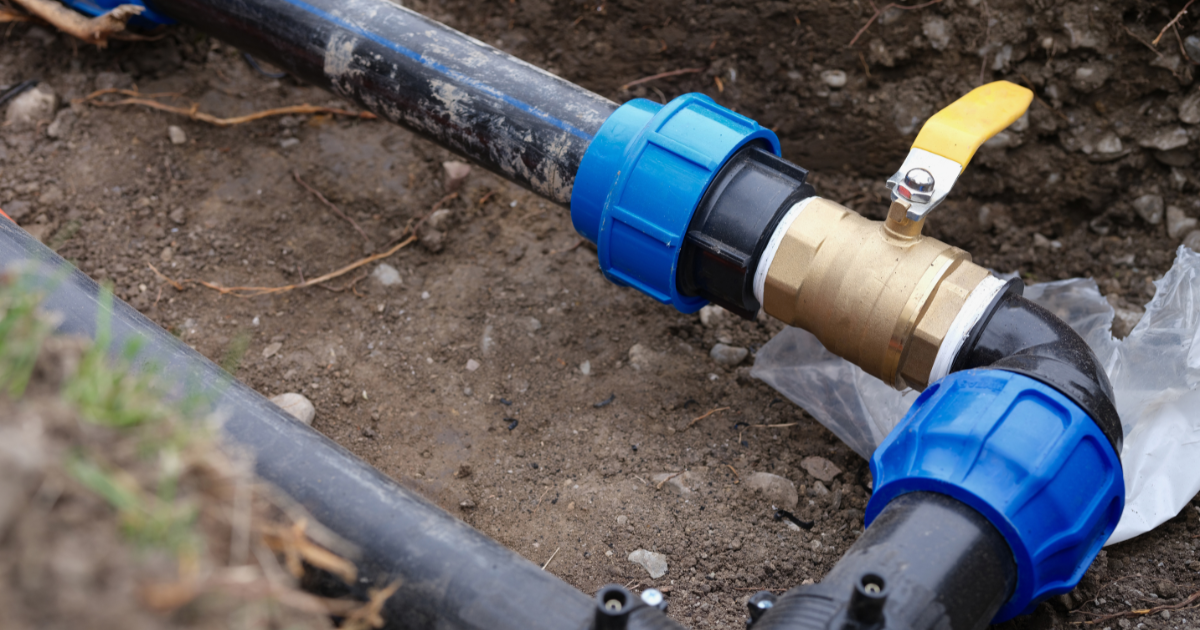
The first step is deciding whether the problem needs immediate professional attention or can safely wait for a regular plumbing appointment.
A plumbing emergency generally involves a problem that is actively damaging your home, creating an unsafe environment, or preventing essential plumbing systems from functioning.
A burst or badly leaking pipe is one of the clearest examples. Even a relatively small pipe can release a surprising amount of water when it remains under pressure. If water is spreading through walls, floors, cabinets, or ceilings, the damage can quickly extend beyond the plumbing system itself.
Sewage backups should also be treated seriously. Wastewater may contain harmful bacteria and contaminants, so homeowners should avoid direct contact and keep children and pets away from affected areas while professional help is arranged.
A completely overflowing toilet may also become an emergency, particularly if shutting off the toilet’s water supply does not stop the problem or if multiple drains throughout the house are backing up at the same time. Multiple affected drains can indicate a larger problem somewhere in the home’s drainage or sewer system.
Other situations may be urgent without necessarily requiring a middle-of-the-night service call. A dripping faucet, slow drain, running toilet, or small contained leak may sometimes be safely managed until normal business hours.
When deciding, ask yourself one question: Will waiting several hours significantly increase the damage or create a safety concern?
If the answer is yes, it is usually worth contacting a professional immediately.
See what insurance should cost:
Protect Your Home Before the Plumber Arrives
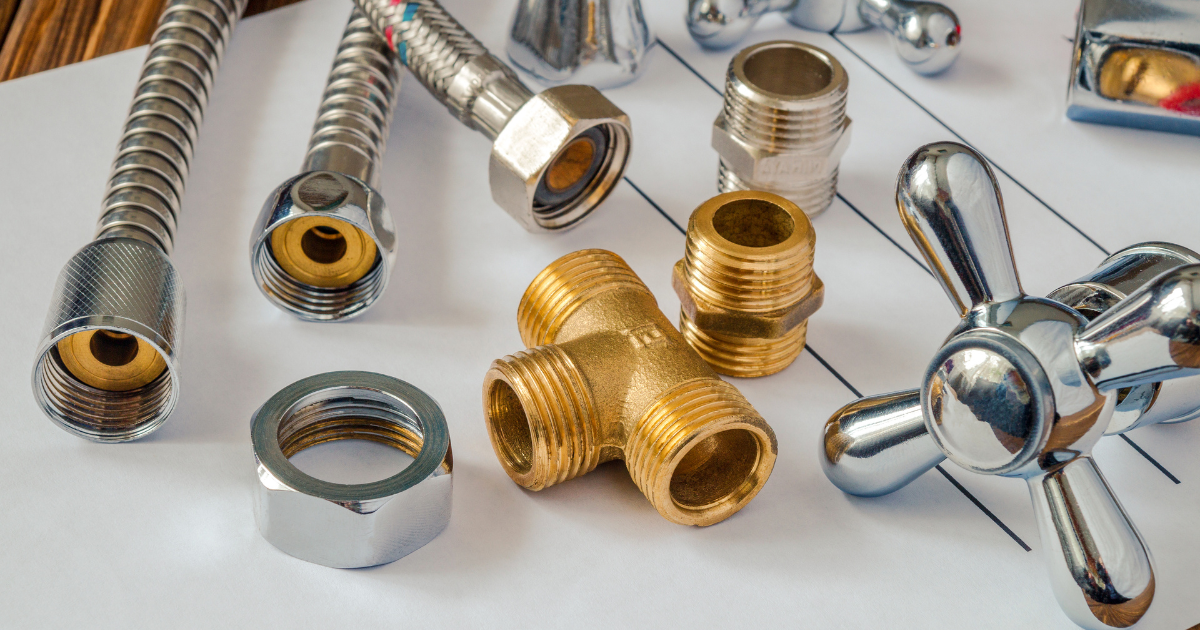
Your priority during a plumbing emergency should be limiting additional damage without putting yourself at risk.
If a fixture is leaking, look for the closest shutoff valve. Toilets usually have a shutoff valve near the wall or floor behind them. Many sinks have individual hot and cold water shutoffs underneath the cabinet.
For a major pipe failure or a leak you cannot isolate, you may need to shut off the home’s main water supply.
Every homeowner should know where this valve is before an emergency occurs. Depending on the home, it may be located in a basement, utility room, crawlspace, garage, or near where the main water line enters the property.
After stopping the water, remove valuables and belongings from the affected area if it is safe to do so. Towels, buckets, or a wet vacuum may help contain smaller amounts of clean water while you wait for professional assistance.
Be especially careful when water is near electrical outlets, appliances, wiring, or electrical panels. Do not enter standing water when there may be an electrical hazard. If there is any uncertainty about electrical safety, keep your distance and contact the appropriate professional.
Take photos and short videos of the problem as well. Document where the water originated, the surrounding damage, and any visible plumbing components.
These images can be useful when explaining the situation to a plumber. They may also be helpful later if you need records of the damage for repairs or an insurance claim.
Avoid making major plumbing repairs yourself unless you genuinely understand the system. A temporary attempt to tighten, cut, seal, or replace something incorrectly can sometimes make the problem worse.
Stopping the water and protecting the area is usually enough until an experienced plumber can evaluate the cause.
Find a Plumber Quickly Without Hiring Blindly
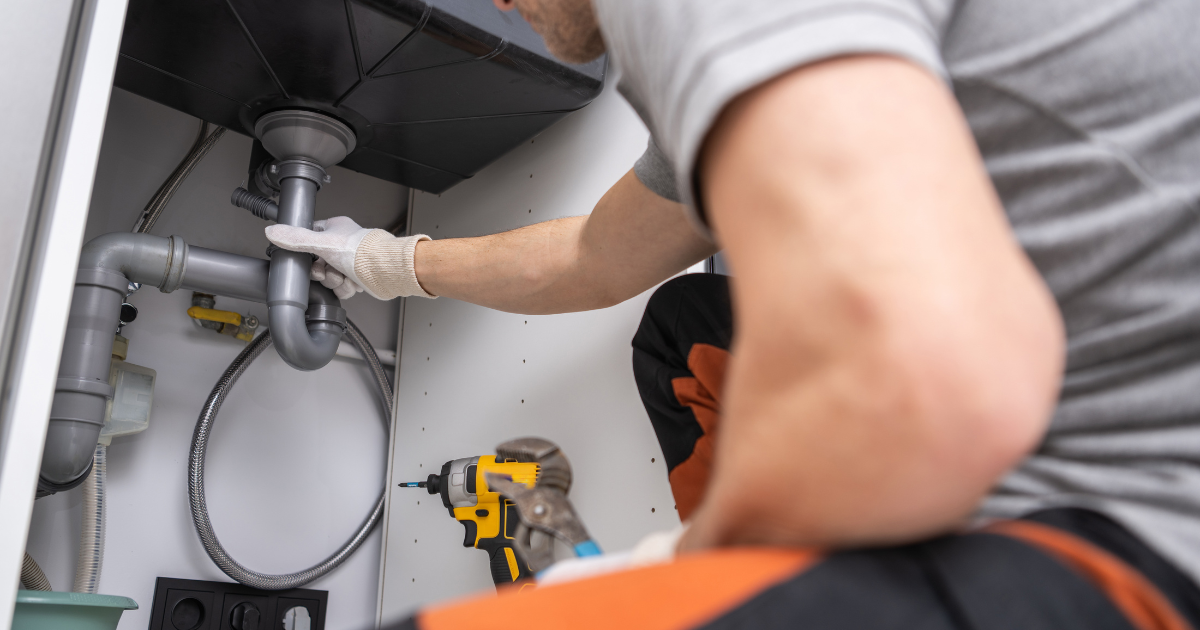
Fast does not have to mean careless. Even during an emergency, spend a few minutes checking who you are inviting into your home.
Start by looking for plumbers who actually serve your area and handle emergency calls. Not every plumber offers 24-hour service, and some companies specialize in certain types of work.
When contacting a plumber, explain the problem clearly instead of simply saying, “I have a leak.”
Tell them where the issue is located, when you first noticed it, whether water is still flowing, whether you shut off the water supply, and whether other fixtures are experiencing problems.
For example, saying, “Water is leaking from a pipe under the upstairs bathroom sink, and I have shut off the sink valve” gives the plumber much more useful information.
Photos and videos can also help. Some professionals may be able to identify likely causes or determine what equipment they should bring before they arrive.
Ask whether they have experience with the type of problem you are experiencing. A plumber regularly handling sewer backups may be better equipped for a major drain issue than someone primarily performing fixture installations.
Need Help Finding Local Home Improvement Pros?
When you are dealing with an urgent home repair, having another way to locate local professionals can make the search easier.
The The Renovation Room App gives homeowners access to a growing home improvement community and a convenient way to connect with resources for renovation, repair, and maintenance projects.
Instead of waiting until something goes wrong to begin searching for help, homeowners can keep The Renovation Room accessible on their phones for future home projects and unexpected repairs.
The Renovation Room App:
https://therenovationroom.com/app
Whether you are planning a bathroom renovation months in advance or suddenly trying to solve a plumbing problem, having a trusted home improvement resource already available can save time.
Ask the Right Questions Before Hiring an Emergency Plumber
A five-minute conversation before hiring can prevent misunderstandings about pricing, timing, and the work being performed.
Start by asking when the plumber can realistically arrive. During storms, freezes, and periods of extreme weather, plumbing companies may receive many emergency calls at once. An advertised “24-hour plumber” does not necessarily mean someone will arrive immediately.
Next, ask how emergency pricing works.
There may be a service-call fee, diagnostic fee, after-hours charge, hourly labor rate, or minimum charge. Some plumbers can provide a general price range based on the information you provide, while others may need to inspect the problem before quoting the repair.
That is normal. What matters is understanding how you will be charged before work begins.
Ask what the initial visit includes and whether you will receive an estimate before additional work is performed.
You can also ask about licensing, insurance, or other qualifications that may be required for plumbing work in your area.
If the plumber recommends a much larger repair than you expected, ask them to explain why. A reputable professional should be able to show you the problem and explain the recommended solution in understandable terms.
You might ask:
“What caused the problem?”
“Is this repair temporary or permanent?”
“Are there other damaged parts of the system?”
“Is there anything I should repair soon to prevent this from happening again?”
The goal is not to interrogate the plumber. It is simply to make sure both sides understand what is happening before work begins.
Watch for Red Flags When You Are Under Pressure
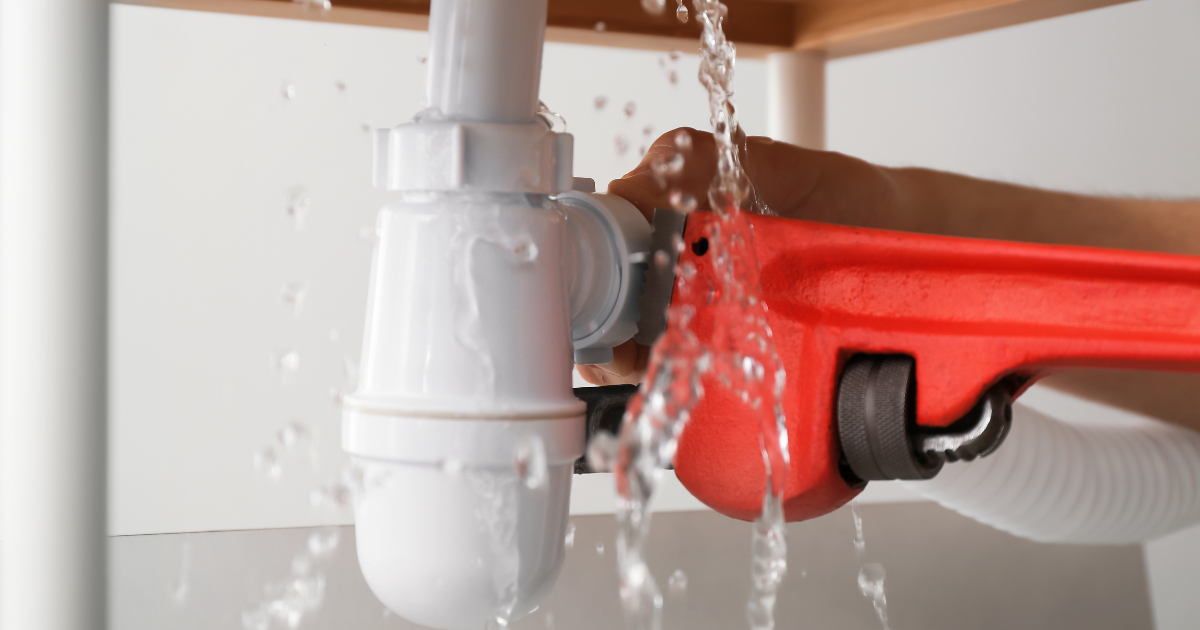
Plumbing emergencies create urgency, and urgency can make homeowners more vulnerable to poor workmanship, unclear pricing, or unnecessary repairs.
Be cautious if someone refuses to explain pricing at all, pressures you into approving extensive work immediately without explaining the reason, or will not provide basic business information.
Another warning sign is a contractor who dramatically expands the scope of work without showing you why the additional repairs are necessary.
For example, a leaking fixture may reveal damaged piping behind a wall, which could legitimately require additional work. However, you should still receive a clear explanation of what was discovered.
Whenever possible, get important information in writing. This can include estimates, invoices, warranties, repair descriptions, and payment terms.
Be careful about paying large amounts before you understand what work is being performed.
Homeowners should also recognize that different plumbers may recommend different approaches. One professional might suggest repairing an existing component while another recommends replacing it. That does not automatically mean either plumber is dishonest.
Ask each professional to explain the advantages, cost, expected lifespan, and risks of their recommendation.
If the situation has been stabilized and there is no longer an immediate threat of water damage, you may have time to compare options before authorizing a large project.
The key is balancing speed with good judgment. Your goal is not simply to find the fastest plumber. It is to find a qualified professional who can solve the problem correctly.
Connect With The Renovation Room

The Renovation Room was created to help homeowners connect with home improvement resources and local professionals while making the process of finding help less overwhelming.
Homeowners can visit The Renovation Room website to explore home improvement information and find professionals for projects ranging from plumbing and electrical work to roofing, remodeling, landscaping, and other home services.
You can also join The Renovation Room Facebook Group, a community of 42,000+ homeowners, contractors, and home improvement professionals sharing recommendations, project questions, ideas, and local resources.
Join the community: https://www.facebook.com/groups/TheRenovationRoom
And for easier access from your phone, download The Renovation Room App: https://therenovationroom.com/app
Having these resources available before something goes wrong means you will not have to start your search from zero when an unexpected repair happens.
Conclusion
Plumbing emergencies can become stressful very quickly, especially when water is actively damaging your home. But acting quickly does not mean you have to make a rushed hiring decision.
Start by determining how serious the problem is. Shut off the water when it is safe to do so, protect the surrounding area, document the damage, and then begin looking for a qualified professional.
When speaking with plumbers, provide detailed information, ask how emergency pricing works, understand what they recommend, and request explanations when the repair becomes more extensive than expected.
Most importantly, prepare before the next emergency occurs.
Know where your water shutoff is. Keep records of previous plumbing repairs. And maintain access to local home improvement resources like The Renovation Room so you have somewhere to turn when you need professional help.
A little preparation today can make a major difference when an unexpected plumbing problem happens tomorrow.
Frequently Asked Questions
What qualifies as a plumbing emergency?
A plumbing problem is generally an emergency when it is actively damaging the home, creating a health or safety concern, or preventing essential plumbing systems from working. Burst pipes, uncontrolled leaks, sewer backups, major drain backups, and severe water heater leaks are common examples.
What should I do first when a pipe bursts?
If it is safe to do so, shut off the home’s main water supply immediately. This stops additional water from entering the damaged pipe. Move belongings away from the affected area, collect leaking water when possible, and contact a plumber for professional assistance.
Should I call an emergency plumber for a leaking faucet?
Usually, a dripping faucet does not require an emergency service call. However, a leak that cannot be controlled, is rapidly worsening, or is allowing water to enter walls, floors, ceilings, or cabinets may require faster professional attention.
How much does an emergency plumber cost?
Emergency plumbing costs vary significantly depending on your location, the type of problem, the time of day, the materials required, and the complexity of the repair. After-hours service may cost more than a scheduled daytime appointment. Ask about service fees and how pricing is calculated before authorizing work.
How can I find a reliable plumber quickly?
Start with trusted local recommendations and established home improvement resources. Verify that the plumber serves your area, ask about their experience with your specific problem, understand their pricing process, and make sure you know what work is being recommended before approving the repair.
Homeowners can also use The Renovation Room website, Facebook Group, and mobile app to access a community focused on home improvement and connecting homeowners with local resources and professionals.