Key Highlights
- Roof replacement typically costs $8,000 to $30,000, depending on size and materials.
- Asphalt shingles remain the most affordable roofing option for most homeowners.
- Metal, tile, slate, and cedar roofs cost significantly more but often last much longer.
- Roof size, pitch, accessibility, and structural repairs greatly affect pricing.
- Removing multiple layers of old roofing increases labor costs.
- Flashing, ventilation, gutters, and decking repairs are common additional expenses.
- Storm damage may qualify for insurance coverage depending on your policy.
- Choosing the cheapest estimate often leads to higher long-term repair costs.
- Comparing detailed estimates helps ensure you’re evaluating equal scopes of work.
- Investing in quality materials and professional installation usually delivers better long-term value.
Average Roofing Renovation Costs
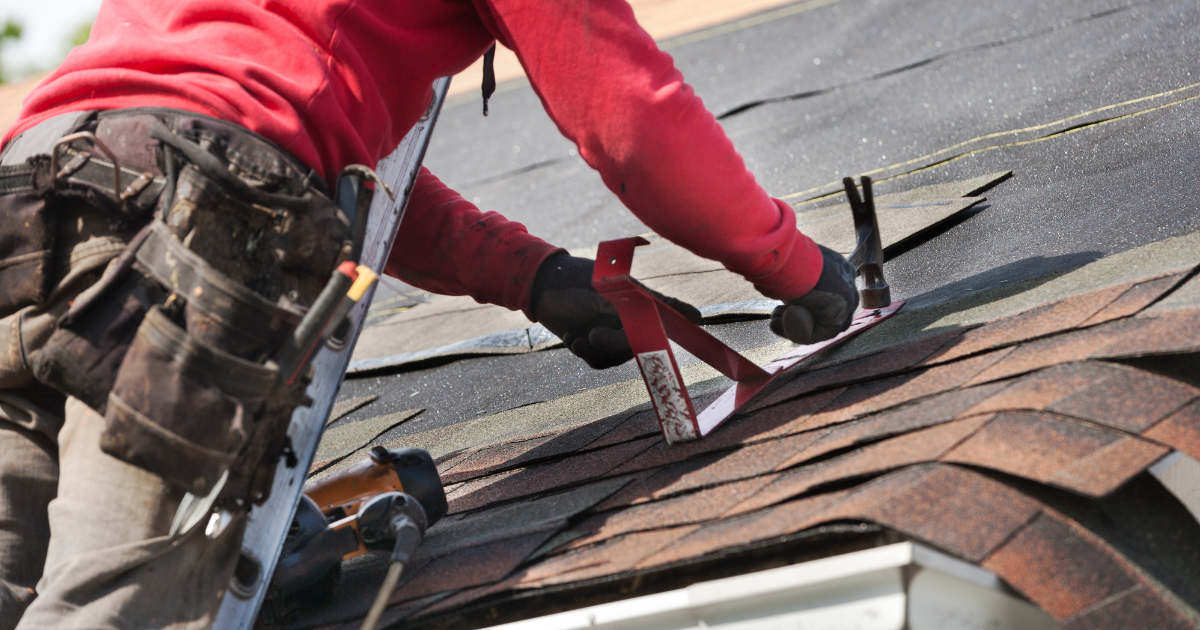
Roof replacement costs are typically calculated by the square foot or by roofing “squares,” with one roofing square equal to 100 square feet. While national averages provide a useful starting point, your final cost depends on your home’s unique characteristics and the roofing system you choose.
For a standard single-family home, homeowners can generally expect the following price ranges:
| Roof Size | Asphalt Shingles | Metal Roof | Cedar Shake | Clay Tile | Slate |
|---|---|---|---|---|---|
| 1,200 sq ft | $6,500–$10,000 | $12,000–$22,000 | $15,000–$24,000 | $18,000–$32,000 | $24,000–$45,000 |
| 1,800 sq ft | $9,000–$14,000 | $16,000–$30,000 | $20,000–$34,000 | $25,000–$45,000 | $35,000–$60,000 |
| 2,500 sq ft | $12,000–$18,000 | $22,000–$40,000 | $28,000–$48,000 | $35,000–$60,000 | $45,000–$80,000 |
| 3,500 sq ft | $16,000–$25,000 | $30,000–$55,000 | $40,000–$70,000 | $50,000–$85,000 | $65,000–$110,000 |
These estimates generally include:
- Removal of one existing roof layer
- Standard underlayment
- New roofing material
- Basic flashing replacement
- Labor
- Cleanup
- Disposal fees
However, they typically do not include structural repairs, skylight replacement, gutter replacement, or significant decking repairs.
Many homeowners are surprised that labor often represents 40% to 60% of the total project cost. Roofing is physically demanding, requires specialized safety equipment, and must comply with local building codes.
Another major consideration is your location. Roofing projects in metropolitan areas generally cost more due to higher labor rates and permit fees, while rural regions may have lower labor costs but increased transportation expenses.
See what your roofing project should cost:
Replacing or repairing your roof is one of the biggest investments you’ll make as a homeowner. While it may not be as exciting as remodeling a kitchen or building a new outdoor living space, your roof is your home’s first line of defense against rain, wind, hail, heat, and snow. A well-maintained roof protects your family, preserves your home’s value, improves energy efficiency, and prevents expensive structural damage.
One of the biggest questions homeowners ask is, “How much should a new roof actually cost?” The answer depends on many factors, including the size of your home, roofing materials, roof complexity, labor costs, geographic location, and whether repairs to the roof decking or structure are needed.
Unfortunately, roofing estimates can vary by thousands of dollars, making it difficult to know whether you’re receiving a fair price. Some contractors provide unusually low estimates by cutting corners with labor or materials, while others include upgrades you may not actually need.
This guide breaks down roofing renovation costs in practical terms. You’ll learn average pricing by material, what drives costs higher, hidden expenses to watch for, how insurance may affect your project, and how to budget wisely before signing a contract.
Whether you’re replacing an aging asphalt roof, considering an upgrade to metal roofing, or simply planning ahead, understanding roofing costs will help you make an informed decision and avoid expensive surprises.
What Factors Have the Biggest Impact on Roofing Costs?
Not every roof costs the same to replace. Two homes with identical square footage may receive estimates that differ by several thousand dollars because of roof complexity and installation challenges.
- Roof Size – Larger roofs naturally require more materials and labor. Every additional roofing square increases costs for shingles, underlayment, nails, flashing, ventilation components, and disposal.
- Roof Pitch – Steeper roofs require specialized safety equipment, additional labor hours, and slower installation. A steep roof can increase labor costs by 20% to 40%.
- Roof Design – Simple gable roofs are faster and less expensive to replace than roofs with multiple valleys, dormers, chimneys, skylights, and intersecting roof lines. Complex roofs require additional cutting, flashing, waterproofing, and precision work.
- Roof Accessibility – If roofing materials must be hand-carried because equipment cannot reach the home, labor costs increase. Limited driveway access, landscaping obstacles, fencing, and neighboring structures may also affect installation efficiency.
- Number of Existing Layers – Building codes often limit the number of roofing layers allowed.
- If multiple layers must be removed before installation begins, expect higher labor and disposal fees.
- Local Building Codes – Many municipalities require permits and inspections. Permit fees commonly range between: $150–$800
Roofing Material Costs Explained
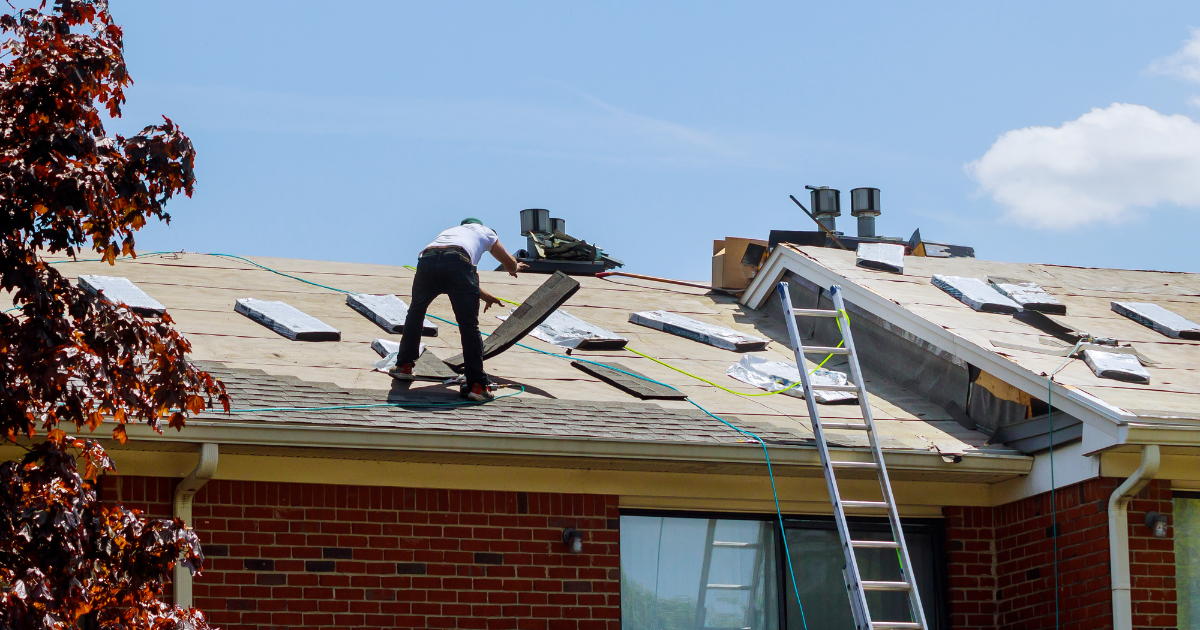
One of the biggest pricing differences comes from the roofing material itself. Each material has a unique balance of cost, durability, maintenance requirements, and appearance.
Asphalt Shingles
Average Cost:
$4.50–$8.50 per square foot installedLife Expectancy:
20–30 years
Pros:
- Most affordable
- Widely available
- Easy to repair
- Variety of colors
Best for: Most suburban homes.
Architectural Shingles
Average Cost:
$6–$10 per square footLife:
30–40 years
These thicker shingles offer better wind resistance and a more dimensional appearance than traditional three-tab shingles.
Metal Roofing
Average Cost:
$9–$16 per square footLife:
40–70 years
Metal roofs resist fire, insects, and severe weather while reflecting heat to improve energy efficiency.
Although the upfront investment is higher, the long lifespan often results in lower lifetime ownership costs.
Cedar Shake
Average Cost:
$10–$18 per square footLife:
30–40 years
Cedar provides a beautiful natural appearance but requires periodic maintenance to prevent moisture damage.
Clay Tile
Average Cost:
$12–$22 per square footLife:
50–100 years
Popular in warmer climates, clay tile offers exceptional longevity but requires a roof structure capable of supporting its weight.
Slate Roofing
Average Cost:
$18–$35 per square footLife:
75–150 years
Slate represents one of the most durable roofing materials available but also carries the highest installation cost due to specialized labor.
When choosing materials, homeowners should think beyond initial price alone. A more expensive roof that lasts twice as long may provide better long-term value than replacing a cheaper roof more frequently.
Hidden Roofing Costs Many Homeowners Don’t Expect
Many roofing estimates only include the visible roofing materials. Once work begins, contractors sometimes discover issues beneath the old roof that require immediate attention.
Roof Deck Repairs
If plywood decking has rotted due to leaks, it must be replaced before new roofing materials can be installed.
Typical cost: $75–$150 per sheet installed.
Flashing Replacement
Flashing protects areas around chimneys, vents, skylights, and roof intersections.
Replacing flashing typically costs: $300–$2,000
depending on roof complexity.
Ventilation Upgrades
Proper attic ventilation extends roof life and improves energy efficiency.
Typical upgrades include:
- Ridge vents
- Soffit vents
- Powered attic fans
Average cost: $300–$1,500
Skylight Replacement
If skylights are aging, many homeowners replace them during roofing projects to avoid future leaks.
Average cost: $900–$2,500 each.
Gutter Replacement
Since roofing work often affects gutters, homeowners frequently combine both projects.
Average gutter replacement: $1,500–$4,500.
Permit Fees
Most municipalities require roofing permits before installation begins.
Budget: $150–$800.
Planning for these potential costs helps reduce financial surprises during construction.
Can Insurance Help Cover Roofing Costs?

Many homeowners assume insurance pays for every roof replacement. In reality, coverage depends on the cause of the damage.
Insurance commonly covers:
- Hail damage
- Wind damage
- Fallen trees
- Lightning strikes
- Storm-related structural damage
Insurance generally does not cover:
- Normal aging
- Deferred maintenance
- Wear and tear
- Cosmetic deterioration
If your roof has experienced storm damage, document the damage with photographs and contact your insurance company promptly.
Many roofing contractors also assist homeowners during the insurance inspection process by identifying storm-related damage and providing documentation.
Keep in mind that your deductible still applies, and claim approval depends on your policy terms.
Even if insurance contributes to the replacement, homeowners may still choose upgraded materials beyond what the policy covers.
How to Budget for a Roofing Renovation and Choose the Right Contractor
Replacing your roof is a major investment, but careful planning helps protect both your finances and your home.
Start by requesting at least three written estimates. Each estimate should clearly specify:
- Roofing material brand
- Underlayment type
- Flashing replacement
- Ventilation improvements
- Warranty details
- Cleanup procedures
- Permit responsibilities
- Estimated timeline
Avoid comparing estimates based solely on price. Instead, compare the full scope of work to ensure each contractor is proposing similar materials and services.
Ask about workmanship warranties in addition to manufacturer warranties. A quality installation warranty demonstrates confidence in the contractor’s work.
Financing may also be available through roofing companies or third-party lenders, allowing homeowners to spread costs over monthly payments.
Finally, verify that your contractor is properly licensed where required, carries liability insurance, and has workers’ compensation coverage. Reading reviews, requesting local references, and reviewing recent completed projects can provide additional confidence before making your decision.
A quality roof is an investment that protects everything beneath it. Spending slightly more on experienced professionals and durable materials often saves thousands in future repairs, improves energy efficiency, and enhances your home’s resale value.
Find Trusted Roofing Contractors Through The Renovation Room
Choosing the right roofing contractor is just as important as selecting the right roofing material. A quality installation can extend the life of your roof by decades, while poor workmanship can lead to leaks, premature wear, and costly repairs. That’s why it’s important to work with reputable professionals who have a proven track record and positive customer reviews.
The Renovation Room makes it easier for homeowners to connect with trusted home improvement professionals, including experienced roofing contractors. Whether you need a minor roof repair, a complete roof replacement, or simply want multiple estimates before making a decision, our platform helps you find qualified contractors for your project.
Beyond our contractor directory, homeowners can also join The Renovation Room Facebook Group, a growing community of more than 41,000 members. Inside the group, homeowners share renovation experiences, ask questions, get recommendations, post before-and-after photos, and learn from both industry professionals and fellow homeowners. It’s an excellent place to gather real-world advice before investing in your next home improvement project.
Conclusion
A roofing renovation is one of the most important investments you can make in your home. While costs vary based on roof size, materials, labor, and structural conditions, understanding what influences pricing allows you to budget with confidence and avoid unexpected expenses.
Rather than focusing only on the lowest estimate, evaluate the complete value of the project, including material quality, installation methods, warranties, and contractor experience. A professionally installed roof not only protects your home from the elements but also improves curb appeal, energy efficiency, and long-term property value.
Taking the time to compare estimates, ask the right questions, and work with a trusted roofing professional ensures your investment will continue protecting your family for decades to come.
Frequently Asked Questions
1. How much does a typical roof replacement cost?
Most homeowners spend between $8,000 and $18,000 for an asphalt shingle roof, though larger homes or premium materials can exceed $30,000.
2. How long does a roof replacement take?
Most residential roofing projects take one to three days, depending on the size and complexity of the roof and weather conditions.
3. Is it cheaper to repair a roof instead of replacing it?
Minor repairs are generally less expensive, but if your roof is nearing the end of its lifespan or has widespread damage, replacement is often the more cost-effective long-term solution.
4. What roofing material offers the best value?
Architectural asphalt shingles provide an excellent balance of affordability, durability, and appearance for many homeowners. Metal roofing can offer even greater long-term value because of its longer lifespan and lower maintenance needs.
5. Should I replace my gutters when replacing my roof?
Not always, but if your gutters are old, damaged, or nearing the end of their life, replacing them during a roofing project can reduce labor costs and help ensure your entire drainage system works efficiently.
6. Does homeowner’s insurance pay for a new roof?
Insurance may cover roof replacement if the damage is caused by a covered event such as hail, wind, or a fallen tree. It typically does not cover roofs that have simply worn out due to age or lack of maintenance.